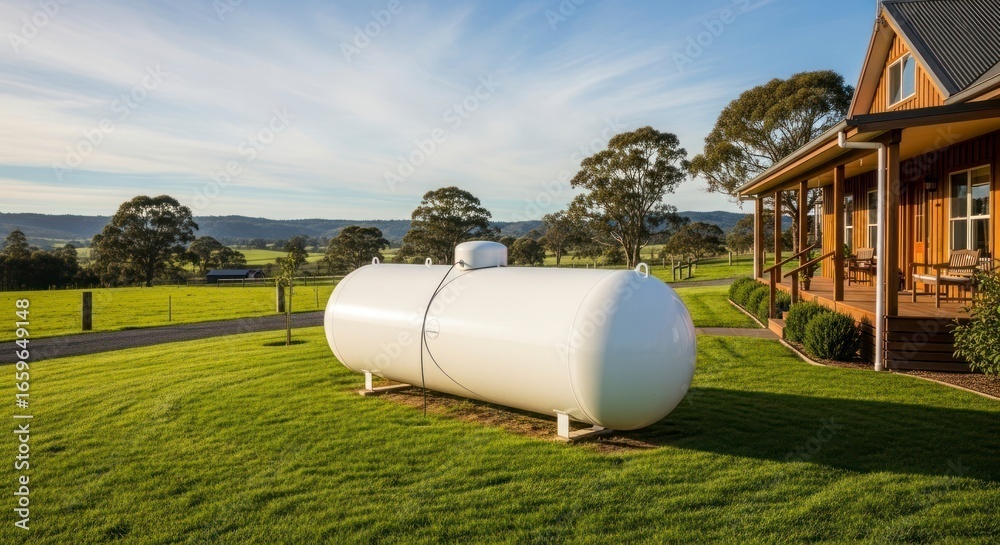
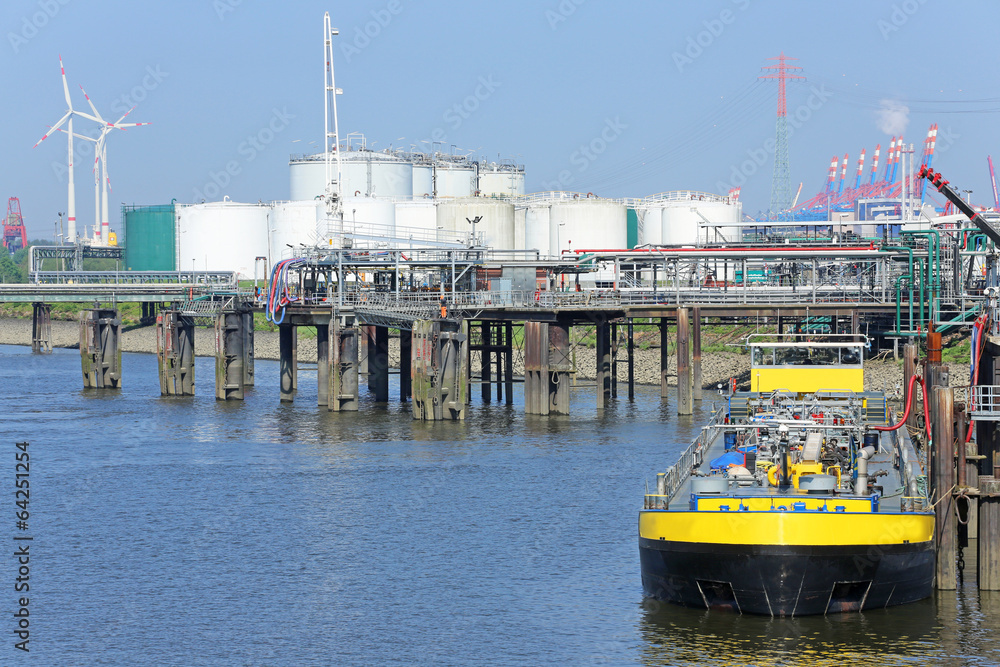
With MB Energy, Renewable Diesel supply is structured around your operational needs. From bulk delivery to ongoing supply, we support reliable integration into existing fuel systems with transparent sourcing and certification.

Renewable Diesel (HVO)
Short explanation: Renewable Diesel (HVO) is a fossil-free alternative to conventional diesel, produced from renewable and sustainable feedstocks. It functions as a direct replacement for fossil diesel and can be used without engine modifications. It supports measurable greenhouse gas (GHG) emissions reduction while maintaining operational performance.

HVO100
Energy to move
Product Benefits
Drop-in compatibility
Renewable Diesel can be used without engine modifications. It integrates directly into existing diesel systems, reducing transition complexity.
Emissions reduction potential
Depending on feedstock and production method, Renewable Diesel can deliver significant greenhouse gas emissions savings compared to fossil diesel.
Improved combustion performance
A higher cetane number supports more efficient fuel burn, which can contribute to improved engine performance and reduced engine noise.
Cold weather reliability
Enhanced cold flow properties reduce the risk of gelling, filter plugging and clouding compared to fossil diesel and FAME.
Storage and stability
Higher oxidative stability enables longer storage periods, with shelf life extending significantly beyond conventional diesel.
Reduced impurities
Low levels of sulphur, aromatics and other impurities reduce risks such as injector fouling and oil contamination.
Typical Applications
Renewable Diesel can be used wherever conventional diesel is currently applied.

Technical specifications of HVO100
Renewable Diesel is defined by recognised fuel standards and measurable performance characteristics. Compared to conventional diesel and FAME-based fuels, it offers distinct chemical and operational properties.
Standards and Approvals
Renewable Diesel complies with BS EN 15940, the standard for paraffinic diesel fuels. It is approved by a wide range of vehicle manufacturers for use, subject to individual OEM validation. Its drop-in capability enables use without engine modification.
Emissions Classification
Chemical Composition
Renewable Diesel is a paraffinic fuel free from FAME. It contains no sulphur, aromatics, or metals, with only trace levels permitted under BS EN 15940. This results in a cleaner-burning fuel compared to conventional diesel and biodiesel blends.
Ignition Quality (Cetane Number)
Renewable Diesel has a higher cetane number than fossil diesel. This supports improved combustion efficiency, more consistent ignition, and smoother engine operation.
Cold Flow Properties
The fuel demonstrates superior cold flow behaviour compared to fossil diesel and FAME. This reduces the risk of gelling, clouding, and filter plugging in low-temperature conditions.
Storage Stability
Renewable Diesel offers high oxidative stability. Compared to conventional diesel and biodiesel, it degrades more slowly, enabling extended storage periods of up to 10 years under appropriate conditions.
Product variants of Renewable Diesel (HVO)
Renewable Diesel is available in different supply and application configurations depending on operational requirements, blending strategies, and infrastructure setup.
How ‘renewable’ is Renewable Diesel?
FAQ
Is Renewable Diesel the same as biodiesel?
No. Renewable Diesel and biodiesel (FAME – Fatty Acid Methyl Ester) are both biofuels, but they differ in production method, chemical composition and performance. Renewable Diesel is a paraffinic fuel with a structure similar to fossil diesel, while FAME has different chemical characteristics. Renewable Diesel offers improved cold performance, longer shelf life and is not susceptible to bacterial growth in the same way as biodiesel.
Where can Renewable Diesel be used?
Renewable Diesel can be used in most applications where conventional diesel is used, including transport fleets, commercial boilers, agricultural machinery, construction equipment and marine vessels. However, approval depends on the specific engine or equipment. Many OEMs approve HVO use, but confirmation with the manufacturer is recommended before use.
Does Renewable Diesel contain palm oil?
Supply chains vary globally. Within our supply, no palm oil-derived material is used in the production of Renewable Diesel.
What is the shelf life of Renewable Diesel?
Renewable Diesel offers extended storage stability compared to mineral diesel. While conventional diesel typically has a shelf life of around one year, Renewable Diesel can be stored for significantly longer periods, with up to 10 years possible under suitable conditions.
What is the Renewable Fuel Assurance Scheme (RFAS)?
The RFAS is an independent scheme managed by the ZEMO Partnership. It verifies greenhouse gas emissions and sustainability claims associated with renewable fuels. The scheme provides fleet operators with an independent framework to assess the sustainability of fuel supply chains and feedstocks.
Can Renewable Diesel be blended with conventional diesel?
Yes. Renewable Diesel can be used in its pure form or blended with fossil diesel and/or FAME. This flexibility allows businesses to integrate it gradually or according to operational and commercial requirements.
Are engine modifications required?
No engine modifications are required in most cases due to the chemical similarity between Renewable Diesel and fossil diesel. However, it is recommended to confirm compatibility with the equipment manufacturer before use.