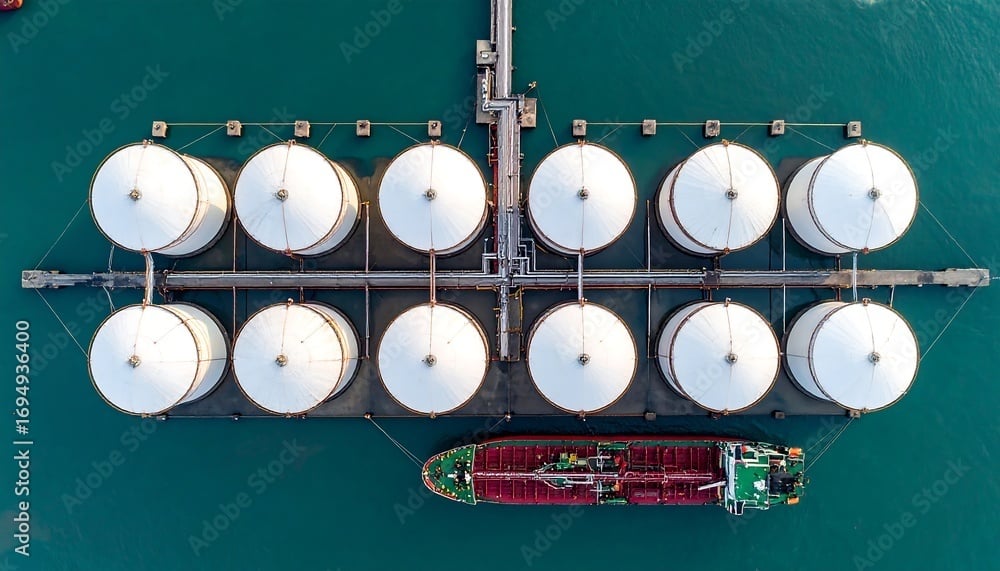
Heavy Fuel Oil (HFO)
Short explanation: Heavy Fuel Oil (HFO), also referred to as bunker fuel or residual fuel oil, is a high-viscosity, dense fuel used in marine, industrial, and power generation applications. It delivers high energy output and is suited for continuous, heavy-duty operations.
With MB Energy, HFO supply is structured around your operational needs. We support consistent delivery, aligned with your infrastructure and consumption patterns, ensuring reliable fuel availability for critical processes.
/Hero%201920x1080/02UK_07_MB_Energy_Marine_01_gettyimages-deeula.jpg)
HFO
Energy to move
Typical Applications
Heavy Fuel Oil is used across sectors requiring high energy output and continuous operation.
Technical Specifications
HFO is defined by measurable physical and chemical characteristics that influence handling, storage, and combustion performance.
Standards and Classification
According to the MARPOL Convention (1973), HFO is classified by:
- Density > 900 kg/m³ at 15°C
- Kinematic viscosity > 180 mm²/s at 50°C
These parameters define its classification as a residual, high-viscosity fuel.
Physical Properties
HFO is black in colour and highly viscous. Its density and flow behaviour require heating during storage and transport to maintain pumpability.
Chemical Composition
HFO contains a high proportion of heavy hydrocarbons, including long-chain molecules and aromatic compounds with extended side chains. This composition contributes to its high energy content.
Fuel Differentiation
HFO differs from Marine Gasoil (MGO), which is lighter and more refined. MGO behaves similarly to diesel, while HFO requires dedicated handling systems due to its viscosity and density.
Cold Flow Properties
Product Benefits
Cost-effective supply
HFO provides a cost-effective fuel option for large-scale energy demand. Its availability and established supply chains make it suitable for industries requiring consistent fuel access.
High energy output
Its high energy content supports continuous operation in heavy-duty environments, including marine engines and industrial boilers.
Stable bulk storage
HFO offers stable storage characteristics when managed correctly, making it suitable for bulk storage in large tank systems.
ed for frequent deliveries.
Product Variants
HFO is not a single uniform product. Variants exist based on viscosity, density, and specific application requirements.
These differences influence handling, storage, and engine compatibility. Selecting the appropriate variant depends on your equipment configuration and operational profile.
Process
FAQ
What are the benefits of using HFO?
HFO is a cost-effective and widely available fuel with high energy output. It is particularly suited to heavy-duty applications such as marine engines and industrial boilers. Its stable storage properties allow for bulk storage over time when handled correctly, supporting consistent operations.
How is HFO stored and transported?
HFO is stored in large tanks designed to handle high-viscosity fuels. Heating systems are typically required to maintain flowability. Transport is carried out using specialised heated tankers or pipelines to ensure the fuel remains usable throughout the supply chain.
What environmental impact does HFO have?
Combustion of HFO produces emissions including sulphur oxides (SOx), nitrogen oxides (NOx), and particulate matter. These emissions are subject to regulatory frameworks, particularly in marine applications.
To support customers in addressing emissions, we offer a carbon-offsetting scheme as an optional measure.
Is HFO compatible with existing machinery and systems?
Many industrial engines, boilers, and marine systems are specifically designed to operate on HFO. However, due to its viscosity and handling requirements, certain systems may require appropriate heating, treatment, or modifications. Equipment specifications should always be reviewed before use.
Are there alternatives to Heavy Fuel Oil?
Alternatives include liquefied natural gas (LNG), biofuels, and distillate fuels such as Marine Gasoil. These options differ in infrastructure requirements, cost structure, and operational suitability.
Each business should assess which option aligns with its operational and economic requirements.
Can emissions be addressed without switching fuel?
In addition to evaluating alternative fuels, emissions can be addressed through measures such as carbon offsetting. This can be a first step or an option where direct fuel switching is not feasible within existing infrastructure.
Request a consultation
We provide clear supply options aligned with your operational setup.