Kerosene
Short explanation: Kerosene, also known as paraffin oil, is a hydrocarbon-based fuel used across domestic and commercial applications. It is most commonly used for heating due to its stable combustion properties and high energy density. Its low freezing point supports consistent performance across varying conditions.
At MB Energy, our kerosene supply is built around your operational needs - delivering reliable, consistent fuel supply that integrates seamlessly with your existing infrastructure, so you stay in control with fuel you can rely on.

Kerosene
Energy to heat

Typical Applications
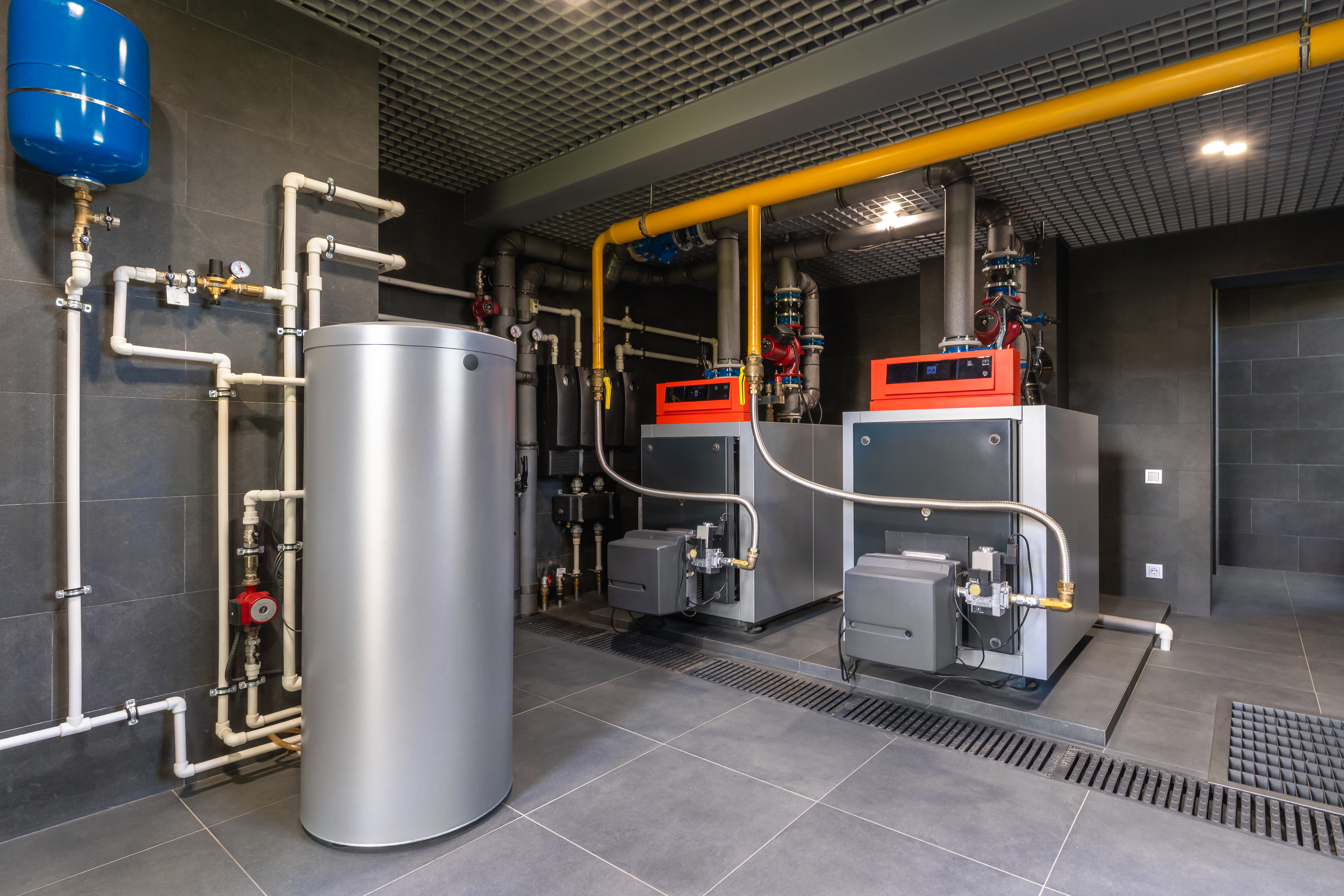
Kerosene is used across multiple sectors where stable, efficient fuel supply is required.
Technical Specifications
Kerosene is defined by recognised UK standards and measurable fuel characteristics. Its classification and properties distinguish it from other middle distillates.
Standards and Approvals
Kerosene in the UK is specified under BS 2869, with Class C1 and Class C2 grades. Class C2 is the standard for domestic heating applications, ensuring compatibility with approved heating systems.
Emissions Classification
Kerosene is a conventional hydrocarbon fuel. Its emissions profile depends on combustion conditions, equipment, and usage. It is positioned within standard fossil heating fuels.
Chemical Composition
Kerosene is a hydrocarbon-based fuel derived from crude oil distillation. It consists of a mixture of aliphatic hydrocarbons, providing stable combustion characteristics.
Ignition Quality (Cetane Behaviour)
Kerosene supports consistent ignition behaviour suitable for heating systems. Its combustion profile enables efficient heat generation in appropriate equipment.
Cold Flow Properties
Storage Stability
Product Benefits
Stable long-term storage
Kerosene resists degradation and maintains quality over extended storage periods, supporting operational planning and stock management.
Reliable cold-weather performance
Its low freezing point enables consistent use in colder conditions, reducing operational disruptions.
Clear regulatory classification
The red dye ensures clear identification and compliance with HMRC regulations.
High energy density
Kerosene delivers efficient energy output per volume, supporting effective heating performance.
Versatile application range
Product Variants
Kerosene is available in different grades to match specific operational and regulatory requirements. These variants differ primarily in composition and application suitability, particularly between domestic heating and other technical uses.
FAQ
How should Kerosene be stored to ensure safety and longevity?
Kerosene should be stored in a well-ventilated area away from open flames and ignition sources. Approved containers or tanks should be used to prevent contamination and evaporation. Protection from extreme temperatures, moisture, and direct sunlight helps maintain fuel quality over time and supports safe, long-term storage.
Can Kerosene be used in diesel engines, and vice versa?
Kerosene is not permitted for use in diesel engines due to differences in composition and lubrication properties, which may lead to engine damage. Similarly, diesel is not recommended for use in kerosene heaters or lamps, as it may not burn correctly and can affect equipment performance.
Is Kerosene suitable for space heaters in commercial settings?
Yes, kerosene is commonly used in space heaters across commercial and industrial environments. These systems are used to heat large or temporary spaces and can provide an efficient and practical heating solution where required.
What are the main grades of Kerosene in the UK?
In the UK, kerosene is defined by BS 2869 with two main grades: Class C1 and Class C2. Class C2 is the standard grade used for domestic heating, while Class C1 is a lighter variant used in more specific applications.
Why is Kerosene suitable for long-term storage?
Kerosene has strong chemical stability and resists degradation over time. This allows it to be stored for extended periods without significant loss of quality, provided correct storage conditions are maintained.
What sectors commonly use Kerosene?
Kerosene is used across multiple sectors, including commercial and industrial heating, aviation, industrial processing, lighting, and power generation via generators. Its versatility supports a wide range of operational requirements.
Is there a difference between winter and summer Gas Oil?
Contact us
If you are planning Kerosene supply or reviewing your current setup, we can support you with structured options and clear delivery models.
Tel: 0303 003 2044
Email: uksales@mbenergy.com