Skip
MB Energy

Sustainable Aviation Fuel

Short explanation: Sustainable Aviation Fuel (SAF) is a certified drop-in aviation fuel designed to reduce lifecycle greenhouse gas emissions while remaining fully compatible with existing aircraft and fuelling systems. It enables airlines and operators to integrate lower-emission fuel into current operations without technical modifications.

With MB Energy, SAF supply is structured around your operational needs. We integrate into existing airport infrastructure, ensuring reliable availability, compliant handling, and alignment with your fuelling processes.

01_09_AdobeStock_1467477991_sRGB

SAF

Energy to fly

Typical Applications

SAF is used across commercial and operational aviation environments where compatibility, compliance, and scalability are required.

Technical Specifications

SAF is defined by internationally recognised aviation fuel standards and measurable performance characteristics. Once blended and certified, it meets the same specifications as conventional Jet A-1.

Standards and Approvals

The SAF blend component is governed by ASTM D7566. After blending with conventional jet fuel, the finished fuel is recertified under ASTM D1655 or DEF STAN 91-091. This ensures full compliance with global aviation fuel requirements and unrestricted use across aircraft and infrastructure.

Chemical Composition

Compared to conventional jet fuel, SAF can deliver approximately an 80% reduction in lifecycle greenhouse gas emissions, depending on feedstock and production pathway. This classification is based on lifecycle assessment rather than point-of-use emissions.

Ignition Quality (Cetane Number)

SAF consists of paraffinic hydrocarbons derived from processed biogenic feedstocks. Unlike conventional fuels containing fossil-derived components, SAF blend components are free from aromatic compounds and must be blended to meet final fuel specifications.

Cold Flow Properties

Cold flow behaviour depends on the final blended fuel specification. Once certified, SAF meets the same low-temperature operability requirements as conventional Jet A-1.

Storage Stability

SAF demonstrates stable storage characteristics when blended and certified. As a paraffinic fuel, it shows strong resistance to oxidation compared to fuels containing FAME components.

Product Benefits

Supports emission compliance

SAF integrates directly into existing aircraft engines and fuelling infrastructure without requiring modifications, simplifying adoption across fleets and locations.

Lifecycle emissions reduction

By using biogenic feedstocks, SAF can significantly reduce lifecycle greenhouse gas emissions compared to conventional jet fuel, supporting aviation decarbonisation strategies.

Operational continuity

Once certified, SAF behaves identically to Jet A-1, ensuring no changes to fuelling procedures, maintenance routines, or performance expectations.
handle on-site.

Scalable implementation

SAF can be blended into existing fuel supply systems, allowing gradual scaling aligned with availability, infrastructure, and operational planning.

Product Variants

SAF is available in different forms depending on its stage within the supply chain and operational use.

Variants exist to reflect how the fuel is handled, blended, and certified before final use. The distinction between blend components and finished fuel determines how SAF is transported, stored, and integrated into airport systems.

Process

FAQ

How ‘renewable’ is SAF?

With the exception of co-processed SAF, most sustainable aviation fuels are produced from biogenic feedstocks such as biomass, alcohols, and fats. These pathways enable lifecycle greenhouse gas emission reductions of approximately 80% compared to conventional jet fuel, depending on production method and feedstock source. SAF can typically be blended at up to 50% with conventional fuel, with ongoing industry work exploring higher blend ratios.

What are the fuel specifications for SAF?

SAF is governed by ASTM D7566 at the blend component stage. Once blended with conventional jet fuel, it is recertified under ASTM D1655 or DEF STAN 91-091. This ensures the finished fuel meets the same specifications as Jet A-1 and can be used across all certified aircraft and infrastructure.

Where can I buy SAF?

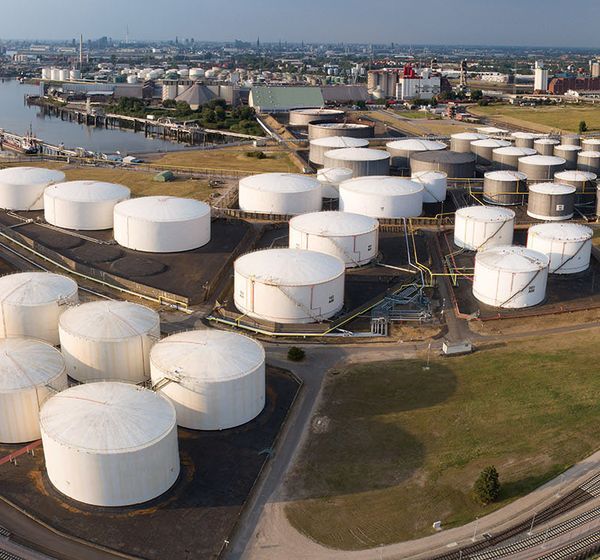
SAF is supplied directly through aviation fuel providers rather than retail channels. It is typically available at airports, where it is stored in tank farms and distributed either into-plane or via hydrant systems. MB Energy supplies SAF across key European regions, integrating with airport infrastructure.

Do jet engines need to be modified to use SAF?

No. Once SAF is blended and certified to standard jet fuel specifications, it is fully compatible with all jet engines and aviation fuelling systems. No modifications are required for aircraft or infrastructure.

Does SAF have blend limitations?

Yes. Most SAF types can currently be blended at up to 50% with conventional jet fuel, depending on the production pathway and certification limits. Once blended and certified, the fuel can be used universally. Unblended SAF must be handled separately and cannot be used directly.

How is SAF transported?

Certified SAF is transported using the same logistics infrastructure as conventional jet fuel, including pipelines, road tankers, rail, and barges. In its unblended form, it requires segregated handling and is typically not transported via pipelines.

Are there material compatibility considerations with SAF?

Once blended and certified, SAF presents no compatibility issues with standard aviation materials such as metals and approved plastics. In its unblended form, it behaves like other paraffinic fuels and requires careful handling in relation to seals, hoses, and linings.

Contact us

If you are evaluating SAF integration, we support you with supply options, logistics planning, and operational alignment. You define the requirements — we provide the structure and delivery.