Tank Monitoring
Short explanation: Tank monitoring systems are used to remotely monitor the levels, conditions, and key parameters of liquid and gas storage tanks in real time. They provide accurate consumption data, helping you understand usage patterns and improve operational control.
With MB Energy, tank monitoring system supply is structured around your operational needs. We integrate telemetry into your fuel supply setup to support reliable delivery planning, stock visibility, and efficient replenishment.

TMS
Energy to real-time tank visibility
Typical Applications
Tank monitoring systems are used across multiple sectors where fuel and liquid storage requires consistent oversight.
Technical Specifications
Tank monitoring systems are defined by sensor technology, data transmission methods, and integration capabilities. They are designed for accuracy, reliability, and compatibility with existing infrastructure.
Sensor Technologies
TMS typically use ultrasonic, radar, or similar sensing technologies to measure tank levels. These sensors provide continuous, automated readings without manual intervention.
Data Transmission
Measured data is transmitted to a central server. Users can access this information via web platforms or mobile applications, enabling remote monitoring at any time.
Measurement Accuracy
TMS can provide highly accurate level measurements. Depending on the selected technology, precision can reach within a few millimetres.
Connectivity Options
Systems can operate in environments with limited connectivity. Some solutions store data locally and transmit it once a connection is restored, ensuring continuity in remote locations.
Integration Capability
Product Benefits
Improved stock management
Real-time level data enables accurate planning and reduces uncertainty in fuel inventory management.
Reduced operational costs
Automated monitoring reduces manual checks and optimises delivery scheduling, lowering overall operational effort.
Prevention of shortages
Telemetry alerts notify you when reordering is required, helping avoid disruptions to operations.
Increased efficiency
Clear consumption insights allow better forecasting and more efficient resource allocation.
Enhanced safety monitoring
Product Variants
Tank monitoring systems are available in different configurations to match tank types, connectivity conditions, and operational requirements.
Process
FAQ
How does a TMS work?
Tank monitoring systems use sensors such as ultrasonic or radar technologies to measure tank levels. This data is transmitted to a central server, where it becomes accessible through web-based platforms or mobile applications. Users can monitor tank levels remotely and receive alerts based on predefined conditions.
What are the key benefits of using a TMS?
A TMS helps optimise stock management by providing accurate, real-time data. It reduces the need for manual checks, minimises waste, and helps prevent shortages. With better visibility of consumption patterns, operational efficiency improves and costs can be reduced.
What type of tanks can be monitored using TMS?
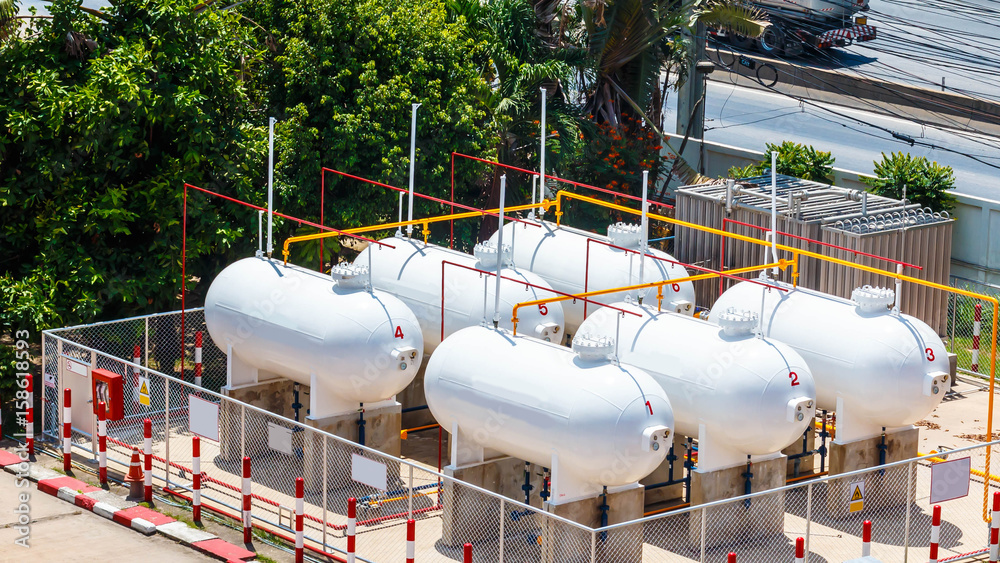
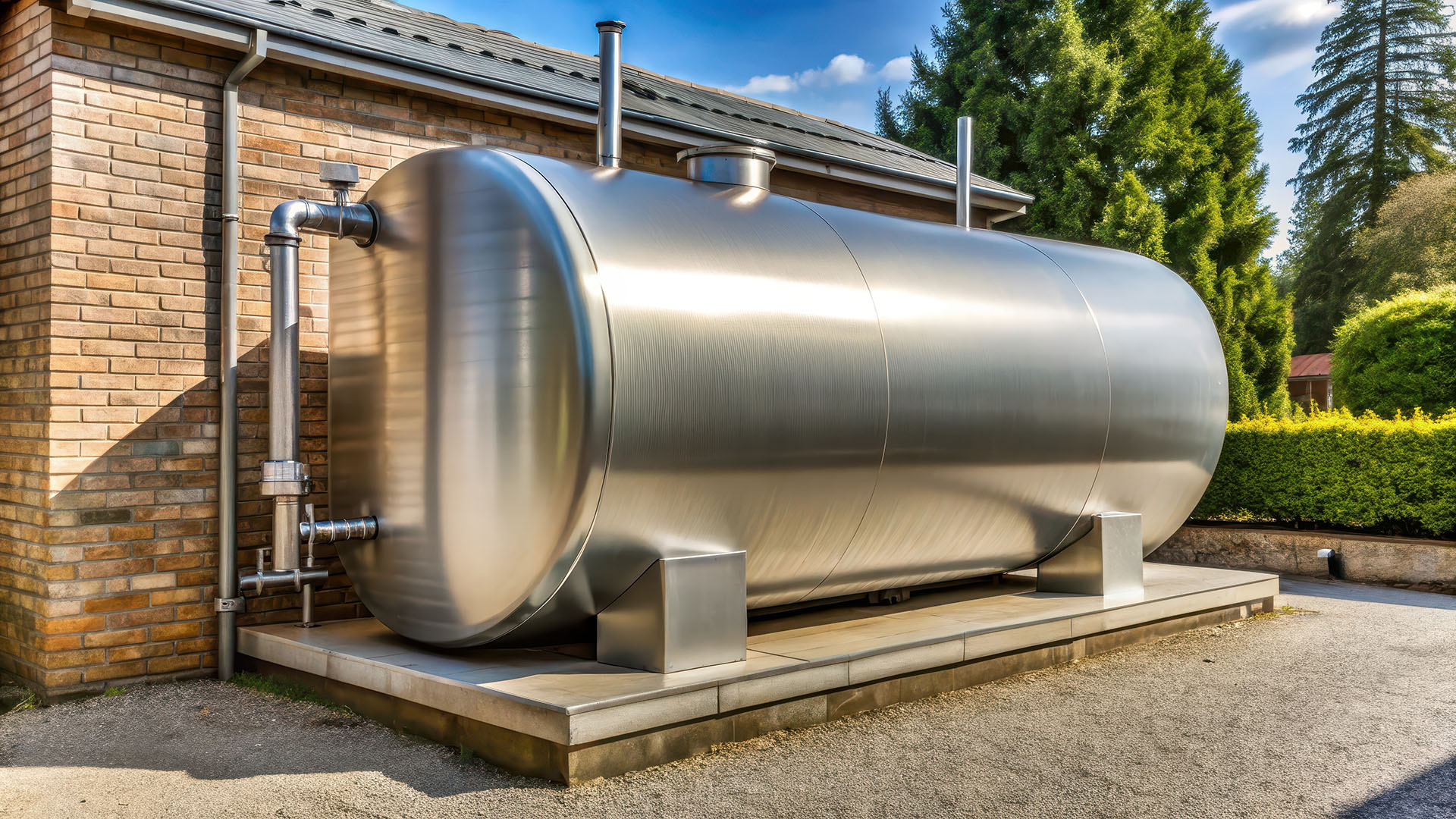
TMS can be used across a wide range of tank types, including fuel tanks, oil tanks, water tanks, chemical storage, and propane tanks. The system is designed to be flexible and compatible with different storage environments.
How easy is it to install a TMS on existing tanks?
Most TMS solutions are designed for retrofitting onto existing tanks. Installation typically involves mounting sensors, connecting them to a gateway or controller, and configuring the monitoring software. This makes implementation straightforward without major infrastructure changes.
How accurate are TMS?
Tank monitoring systems can deliver highly accurate measurements. Depending on the sensor technology used, precision can reach within a few millimetres. This level of accuracy supports reliable inventory management and planning.
Can TMS work in areas with limited connectivity?
Yes. Some TMS solutions include offline data storage capabilities. Data is stored locally and transmitted once connectivity is restored, making these systems suitable for remote or low-signal locations.
What sort of alerts does a TMS provide?
Are TMS compatible with other systems?
What is the typical return on investment?
Contact us
If you want to improve visibility and control of your tank infrastructure, we can support you in selecting the right monitoring setup.