Unleaded Petrol
Unleaded 95 gasoline (BS EN228) is a standard petrol fuel used primarily in road transport vehicles. It is defined by its octane rating (RON), which indicates combustion performance and engine compatibility. Higher octane ratings support improved engine efficiency and reduced knocking.
With MB Energy, unleaded petrol supply is structured around your operational needs. We support consistent fuel availability across commercial, retail and distribution environments, with supply aligned to your usage patterns and infrastructure.
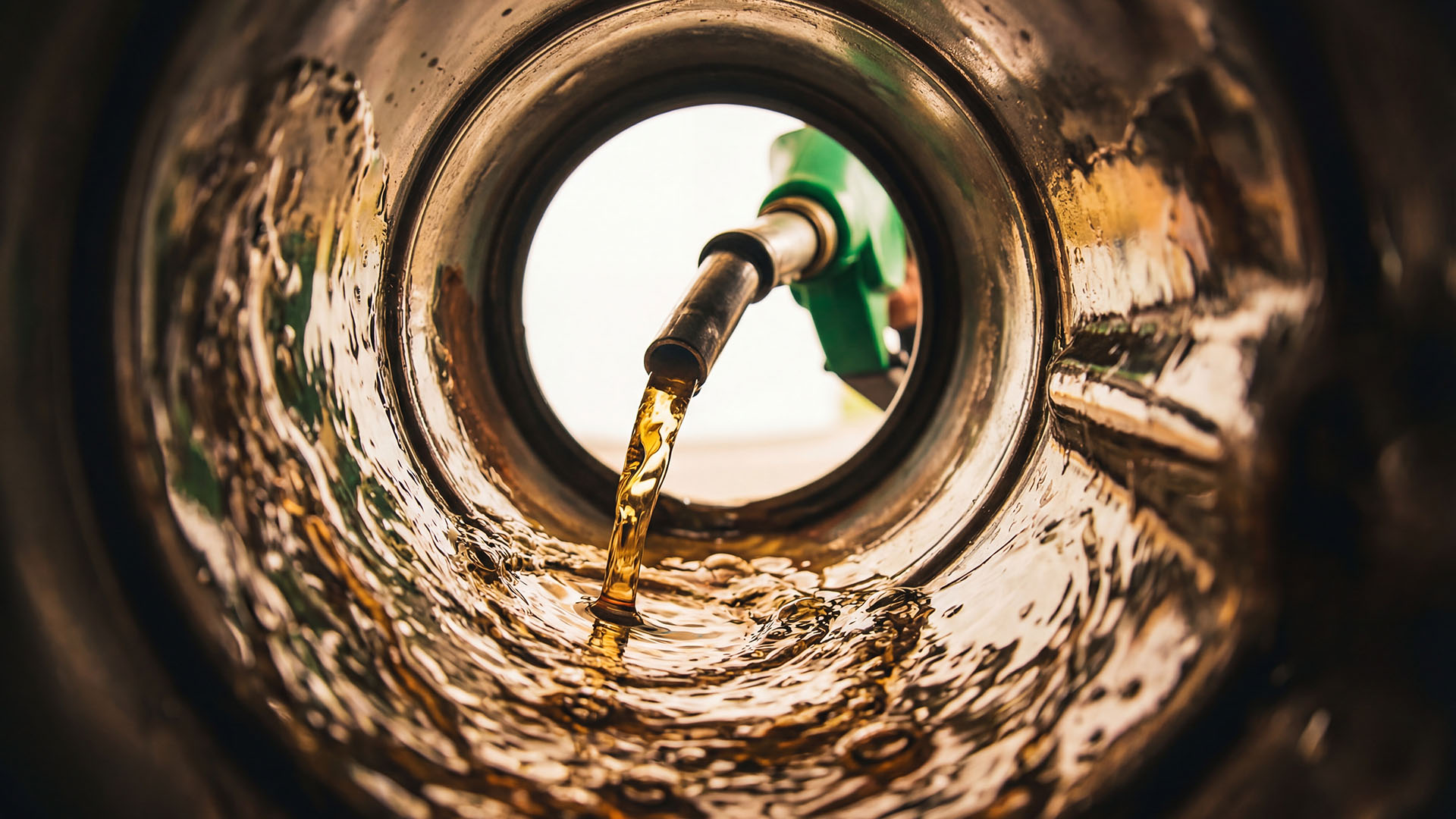
Unleaded Petrol
Energy to move
Typical Applications
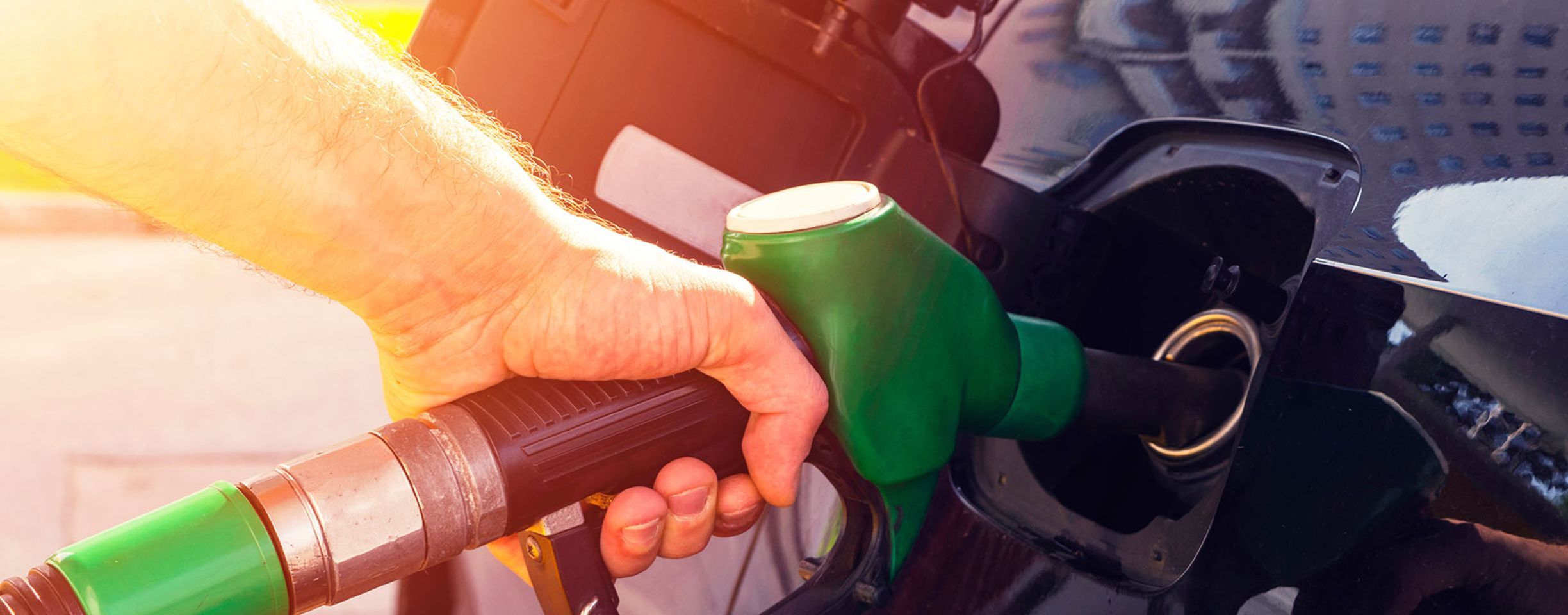
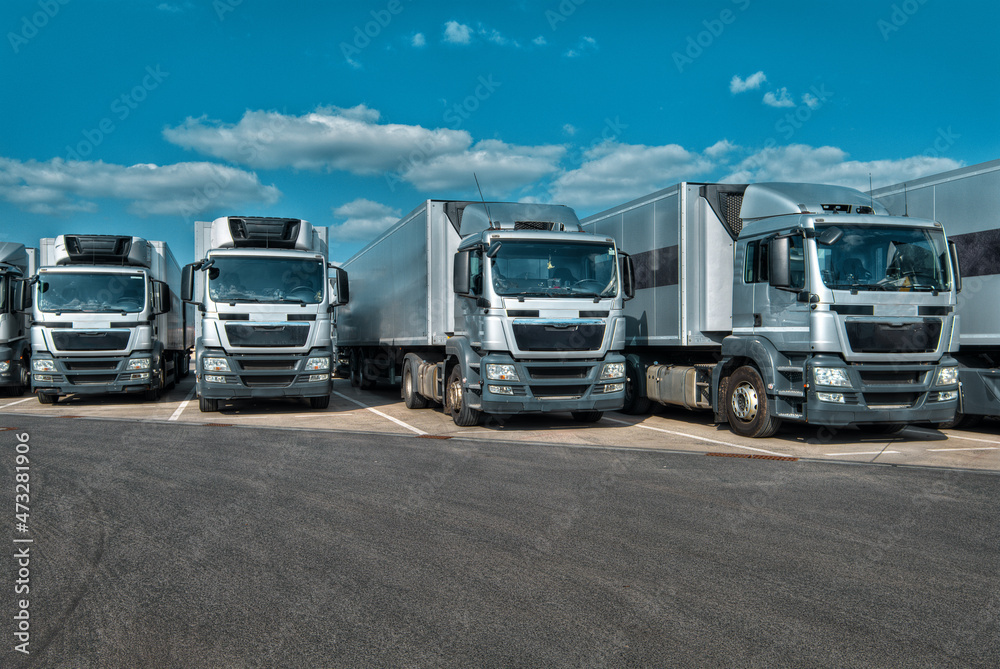
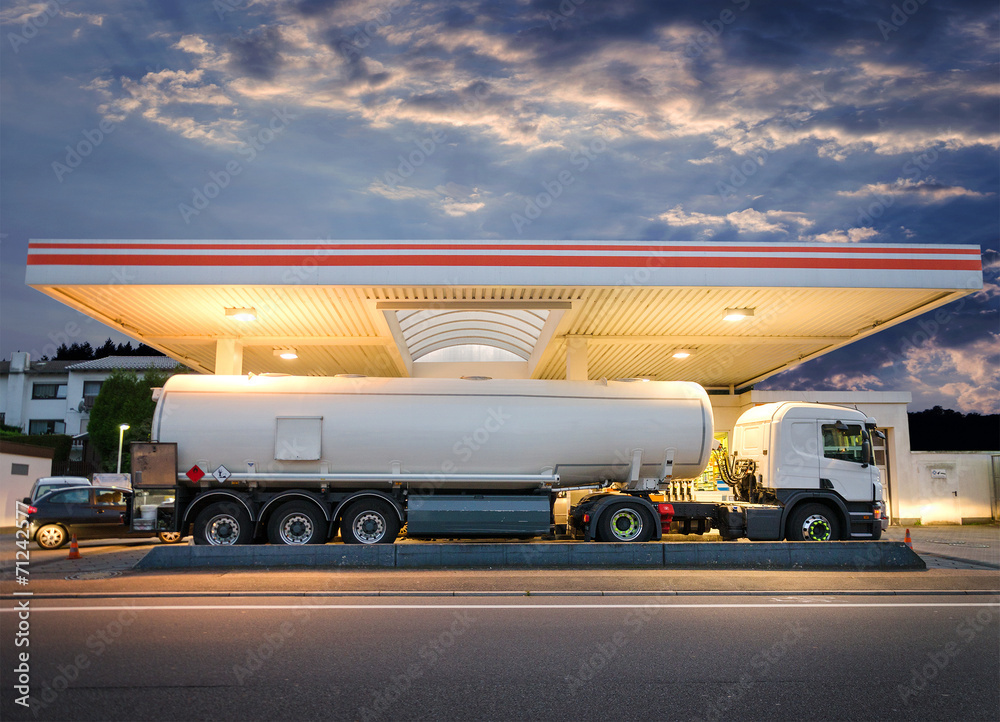
Unleaded petrol is primarily used across road transport and fuel distribution environments.

Technical Specifications
Unleaded petrol is defined by BS EN228 standards and characterised by octane rating, ethanol content and additive composition.
Standards
Unleaded petrol supplied under BS EN228 meets established European fuel quality standards. This defines composition, volatility, and performance requirements for use in spark-ignition engines.
Emissions Classification
As a conventional petrol fuel, unleaded petrol produces emissions typical of hydrocarbon-based fuels. Ethanol blending (e.g. E10) influences combustion characteristics and can affect emission profiles depending on engine type and operating conditions.
Chemical Composition
Unleaded petrol consists of a blend of hydrocarbons with ethanol content depending on grade (e.g. E10 or E5). It may include additives such as detergents, antioxidants and anti-knock agents to support combustion quality and engine cleanliness. :contentReference[oaicite:4]{index=4}
Ignition Quality (Octane Rating)
Octane rating (RON) defines resistance to knocking. Standard unleaded is typically 95 RON, while higher grades (97+ RON) are available for engines requiring enhanced performance characteristics. :contentReference[oaicite:5]{index=5}
Cold Flow Properties
Storage Stability
Product Benefits
Compatible with modern vehicles
E10 petrol is suitable for the majority of petrol-powered vehicles in operation today, including all cars manufactured since 2011. This supports straightforward integration into existing fleets.
Flexible fuel grades available
Where E10 is not suitable, E5 (super grade, 97+ octane) remains available. This allows continued operation of older vehicles or specific equipment without compatibility concerns.
Performance aligned to engine requirements
Different octane ratings enable alignment with engine specifications, supporting efficient combustion and reducing the risk of engine knocking.
Additive-supported engine operation
Included additives contribute to cleaner combustion and help maintain engine condition over time, particularly in regular-use vehicles.
Optionen für unterschiedliche Anforderungen
Neben konventionellen Kraftstoffen stehen alternative Produkte zur Verfügung, die je nach Einsatz zusätzliche Vorteile bieten können – etwa bei Lagerfähigkeit oder Emissionsprofil.
Product Variants
Unleaded petrol is available in different grades to match engine requirements, ethanol compatibility and performance expectations. These variants ensure operational flexibility across mixed fleets and equipment types.
Fuel Formulation
FAQ
What is unleaded petrol and how is it different from regular petrol?
Unleaded petrol refers to petrol that does not contain lead additives, which were historically used to improve octane performance. Modern unleaded petrol achieves required performance through refining processes and additives. Today, “petrol” and “unleaded petrol” are typically used interchangeably, as all standard road fuels are unleaded.
What is the octane rating, and why is it important?
The octane rating (RON) indicates a fuel’s resistance to engine knocking during combustion. Higher octane fuels can withstand greater pressure before igniting, which is important for engines designed for higher performance. Using the correct octane rating helps ensure efficient combustion and protects engine components.
What is the shelf life of unleaded petrol and how should it be stored?
Unleaded petrol can typically be stored for 3–6 months in a tightly sealed container. It should be kept in a cool, dry location away from direct sunlight. Proper sealing is important to prevent evaporation of volatile components, which can affect fuel performance over time.
Is there a difference between winter and summer fuel formulations?
Yes. Petrol is formulated differently depending on seasonal temperature conditions. Winter grades are designed to perform at lower temperatures, while summer grades are optimised for higher temperatures. These differences help maintain consistent fuel behaviour across operating environments.
Can I mix different grades or brands of unleaded petrol?
It is generally safe to mix different brands or grades of unleaded petrol with the same octane rating. However, switching between E10 and non-ethanol blends should be checked against the vehicle manufacturer’s guidance to ensure compatibility.
What if my vehicle is not compatible with E10 petrol?
If your vehicle or equipment is not compatible with E10, you can use E5 super unleaded petrol (97+ octane). This grade contains less ethanol and is suitable for vehicles requiring alternative fuel specifications.