Pellets delivery
Energy to heat
Cleanly planned, professionally implemented
FAQ
How does the delivery of wood pellets in bulk work?
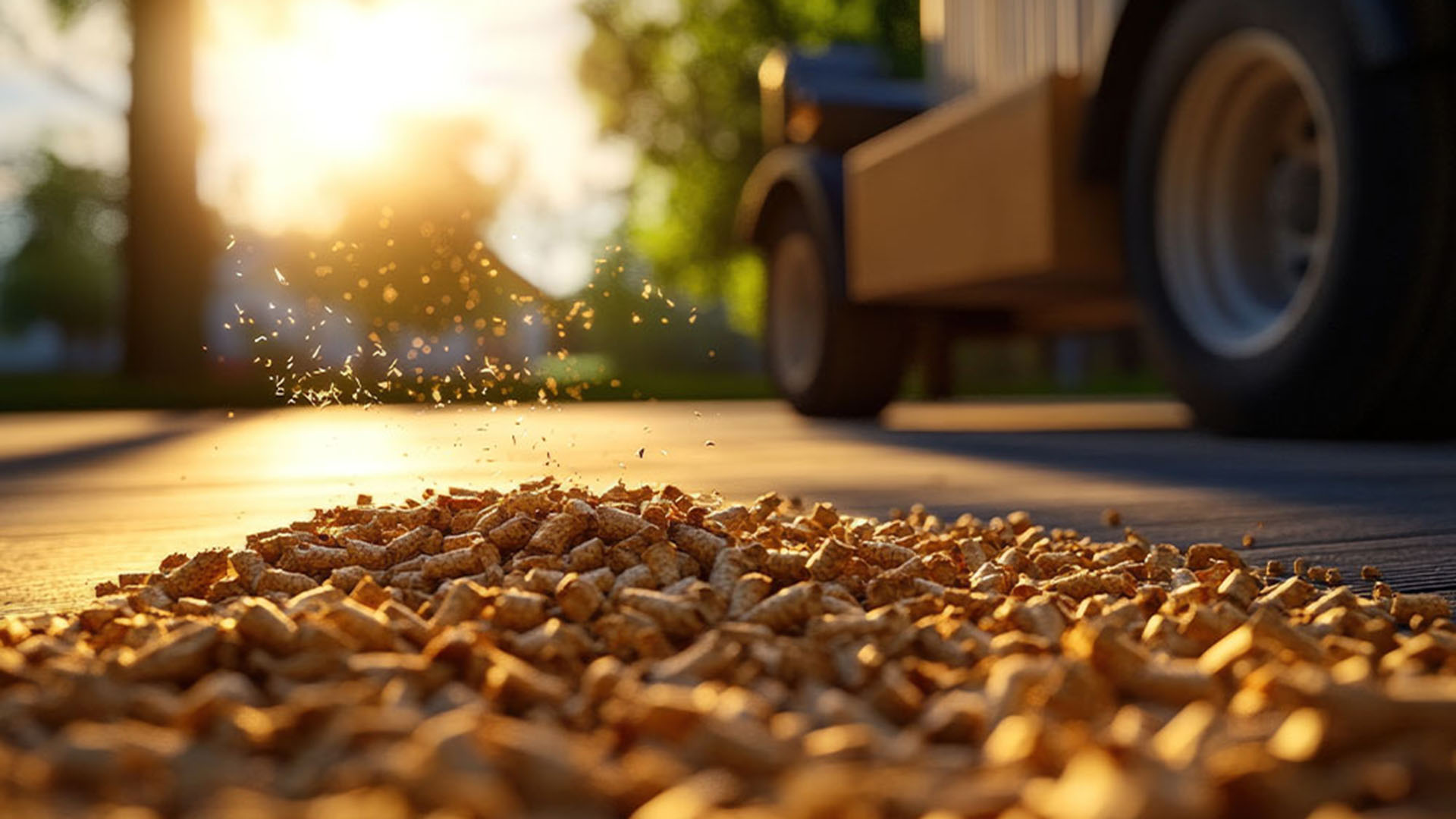
When delivered in bulk, the pellets are transported directly to your warehouse in a special truck and injected via an injection hose. A clean and controlled injection process is crucial to ensure that the quality of the pellets is maintained. Trained drivers ensure that the pressure and process are optimally coordinated so that your heating system can be operated with minimal disruption.
When is bagged material the better solution?
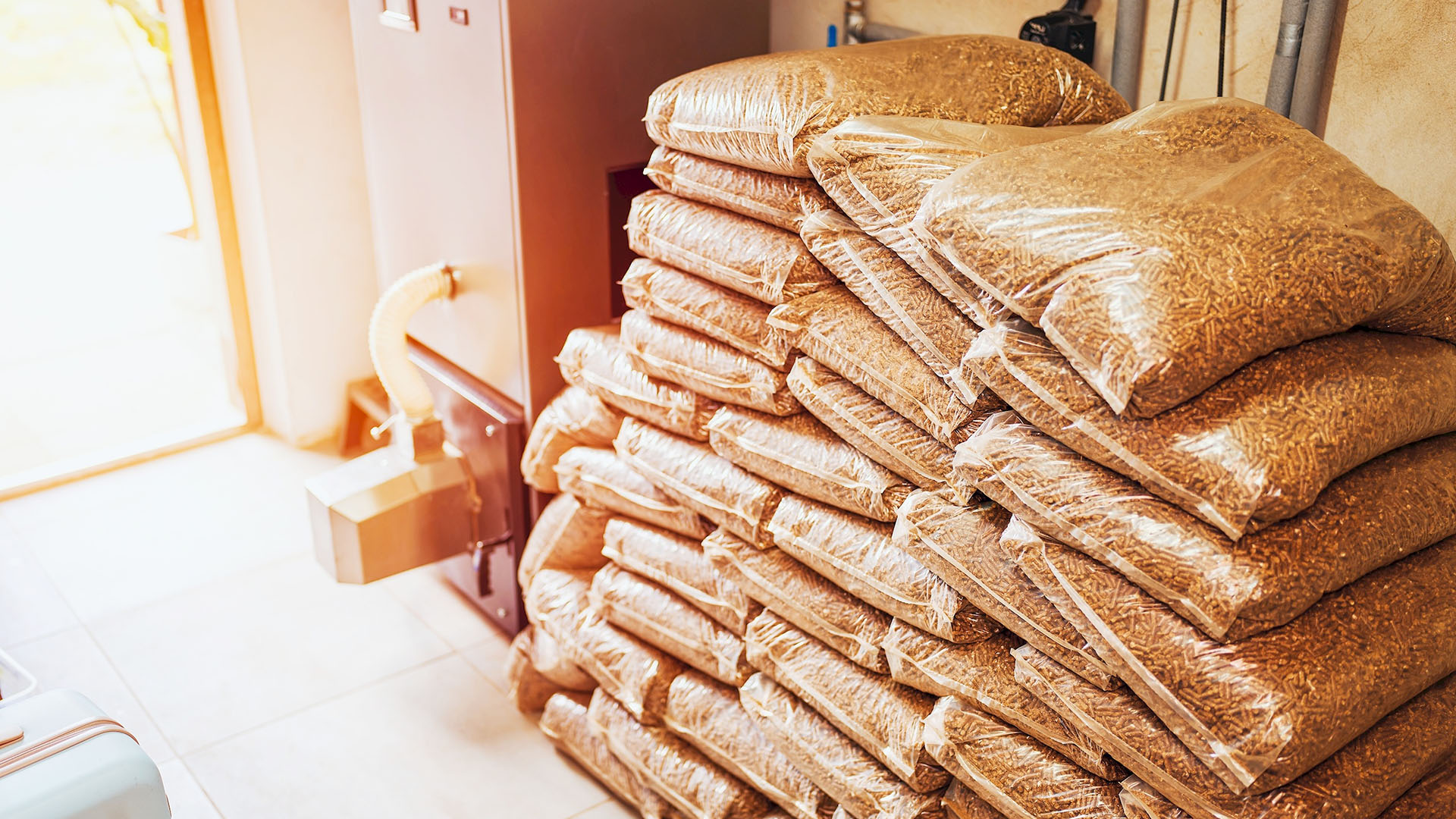
Bagged goods are particularly suitable for smaller applications or when there is no large storage capacity. Typical areas of application are pellet stoves, first fillings or additional stockpiling for emergencies. You can store the bags flexibly and refill them as required. This makes bagged goods particularly practical when consumption is manageable or irregular.
What role does the quality of the pellets play in the delivery?
The quality of the wood pellets is a key factor in the operation of your heating system. High-quality pellets ensure even combustion and reduce deposits in the system. Handling during delivery is just as important. Only if transportation, storage and the blowing process are carried out carefully will the original quality be maintained and the system work reliably.
How is it ensured that the delivery works smoothly?
Reliable delivery is based on several factors: modern special vehicles, trained drivers and coordinated logistics processes. Every step - from planning to execution - is organized so that the pellets arrive safely and cleanly. Regional locations also enable better coordination of delivery times and quantities.
Can I adjust the delivery quantity flexibly?
Is the packaging of the bagged goods sustainable?
Where can I buy wood pellets and have them delivered?
Plan pellet delivery
You know your needs - we support you with the right delivery form and organization.
Together we will clarify the quantity, delivery method and time.