Marine fuels from MB Energy stand for a technically sound and predictable energy supply in shipping. We combine reliable supply structures with clearly defined qualities and a broad portfolio - from conventional fuels to alternative options. This means you get exactly the solution that suits your fleet and your operational requirements - transparent, flexible and supported on an equal footing.
Marine fuels
Briefly explained: Marine fuels are the central energy source for the operation of ships and thus enable reliable and continuous ship operation - from container ships to bulk carriers. Depending on the application, different types of fuel are used, from classic heavy fuel oils to alternative options such as methanol or biofuel blends.
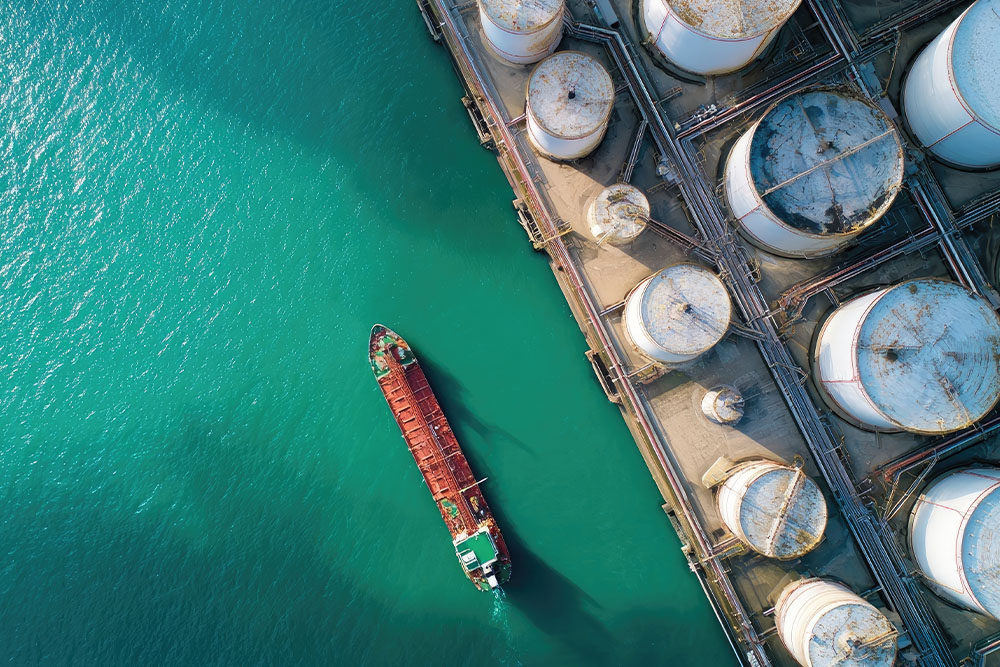
Marine fuels
Energy to ship
Typical applications
Marine fuels are used in different types of ships and operating scenarios. The requirements vary depending on the area of application, engine technology and fleet strategy.
Advantages of modern marine fuels
Flexible application options in the company
Marine fuels offer a high degree of technical flexibility in operational use. Different fuel types make it possible to adapt operations to specific requirements - without fundamental changes to the entire infrastructure.
Plannable and reliable supply
One major advantage is the ability to plan supplies. Established supply chains and standardized qualities ensure that ships can be reliably refuelled worldwide.
Reducing emissions through alternative fuels
In addition, certain fuel variants enable a reduction in emissions compared to conventional solutions. This is particularly relevant for methanol and biofuel blends, depending on use, origin and verification.
Use of existing systems without major retrofitting
Another advantage is the possibility of continuing to use existing systems. Biofuel blends in particular can often be used without extensive technical conversion and therefore offer a pragmatic extension to existing fleet strategies.
Overview of fuel variants
Development in the marine fuel market
FAQ
Which marine fuels are currently the most widely used?
Conventional heavy fuel oils and distillate fuels continue to be the dominant energy sources in shipping. They are available worldwide, technically established and compatible with existing engine systems. Alternative fuels are increasingly supplementing this portfolio, but are not currently replacing it completely.
Can methanol be used directly in existing ships?
Methanol generally requires adapted or specially designed engines. Its use therefore depends on the technical equipment of the ship. The use of methanol is already possible for newbuilds or appropriately converted units.
What are biofuel blends like B30?
Biofuel blends consist of a mixture of fossil and biogenic fuels. One example is B30, which contains a proportion of biogenic components. These blends can often be used without major technical adjustments and offer an opportunity to reduce emissions.
How is the quality of marine fuels ensured?
Quality is defined by international standards such as ISO 8217. In addition, analyses and documentation are carried out along the supply chain to ensure that the specifications are met and that the fuel is suitable for the respective application.
Are alternative fuels available everywhere?
Availability depends heavily on the regional infrastructure. While conventional fuels are available globally, alternative fuels such as methanol or ammonia are still being developed. The supply should therefore be planned well in advance.
What role do regulatory requirements play?
Regulatory frameworks such as MARPOL Annex VI define limit values for emissions, particularly for sulphur. These requirements influence the choice of fuel and can vary in strictness depending on the region.
Can I combine different types of fuel?
Yes, many operators use different types of fuel depending on the area of application and availability. The prerequisite is technical compatibility and a clear operating strategy for the respective fleet.
Request advice
Are you planning to use or convert to marine fuels?
We support you in evaluating suitable options for your fleet - technically sound and transparent.
Together we clarify
- suitable fuel types for your applications
- Availability along your routes
- Logistical implementation and supply concepts