



A reliable and efficient energy supply is the basis for comfortable living. With the right combination of energy source, system and supply concept, costs can be optimized and sustainability goals achieved. Get individual advice and find the solution that best suits your household.

Energy solutions for private households
From heating oil to liquid gas and pellets, private households receive tailor-made energy solutions for single-family homes, apartment buildings and buildings without a gas connection.
The energy supply in your own home is a key factor for comfort, cost control and independence. Many households are faced with the challenge of finding a reliable yet economical solution for heating and hot water - especially in rural areas or where there is no gas connection. Modern energy sources and flexible supply concepts make it possible to reliably cover individual requirements and integrate sustainable options at the same time.
Energy supply in the home: requirements and possibilities
Reliable heat supply in everyday life
Private households require a continuous supply of heating energy and hot water. Both the size of the building and the heating system play a decisive role here. Different energy sources make it possible to meet individual requirements precisely.
Control costs and plan for the long term
The development of fuel prices and personal consumption have a significant impact on running costs. Forward-looking planning and choosing the right energy source help to better control expenditure and keep it calculable in the long term.
Modernize and optimize heating systems
Many households are faced with the decision to modernize or supplement existing heating systems. Modern oil condensing technology or combined systems offer the opportunity to increase efficiency and continue to use existing infrastructure.
Integrating sustainable energy sensibly
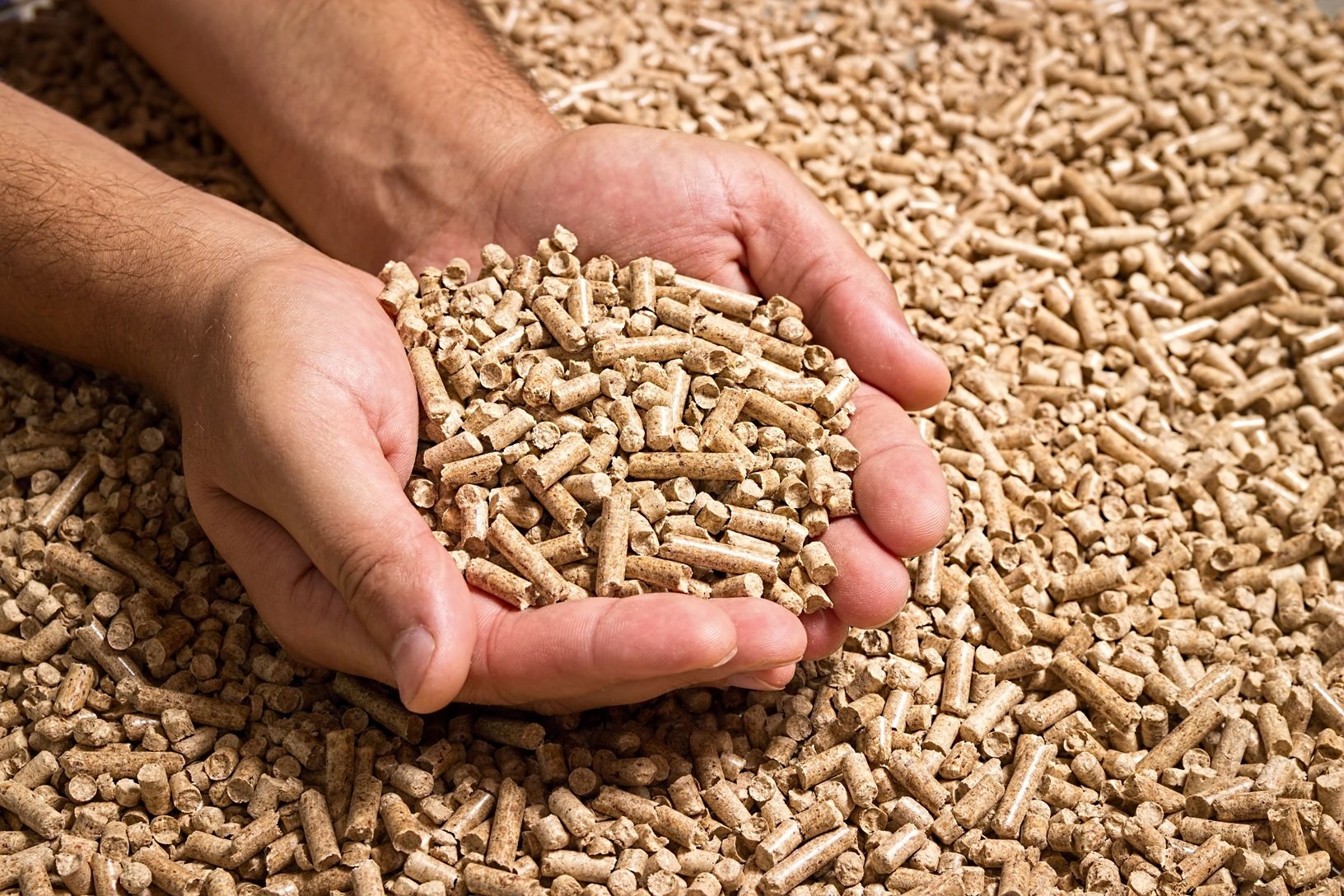
Sustainability is becoming increasingly important. Biomass and pellets enable a CO₂-reduced heat supply and offer an alternative to fossil fuels without sacrificing security of supply.
Ensuring security of supply
The ability to store fuels creates independence and increases security of supply. Households can control their own energy requirements over longer periods of time and avoid shortages.
Take special requirements into account
Different living situations such as vacation homes or rural buildings place special demands on flexibility and availability. This calls for solutions that function reliably even with changing usage.
Our energy, your choice - flexible products for your region
FAQ
Which heating system is suitable for a house without a gas connection?
Heating oil, liquid gas or pellet heating systems are suitable for homes without a gas connection. Liquid gas offers similar usage to natural gas, while pellets and biomass are more sustainable alternatives.
What does a pellet heating system cost in a detached house?
The investment costs are often between around 20,000 and 35,000 euros, depending on size, output and installation. Subsidy programs can reduce the costs.
Can you also produce hot water with heating oil?
Yes, modern oil condensing boilers supply both heating and hot water efficiently via integrated or separate cylinders.
What sustainable heating systems are available for private households?
Sustainable solutions include pellet and biomass heating systems as well as hybrid systems. These use renewable energies and can reduce emissions.
Is liquid gas an alternative to natural gas?
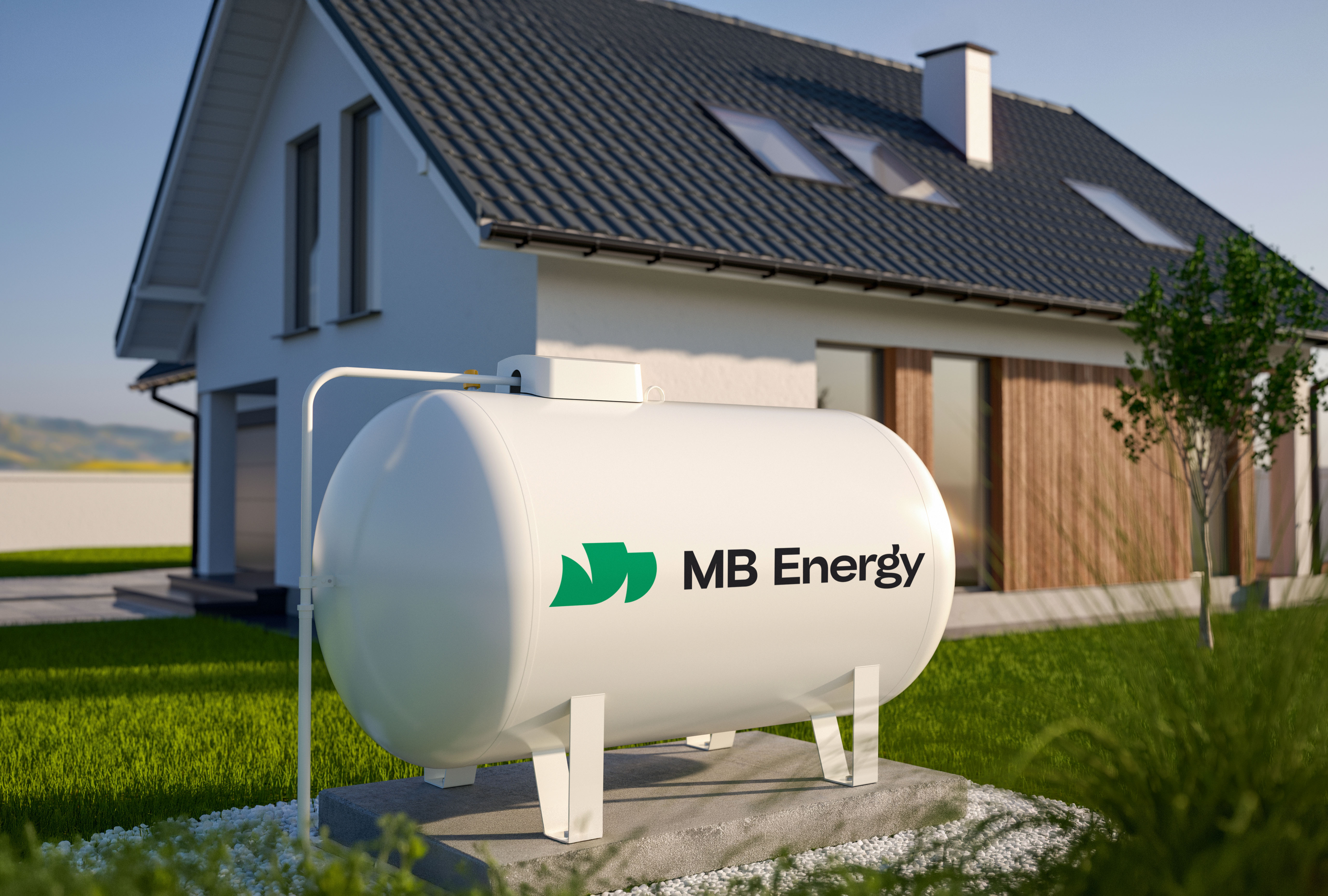
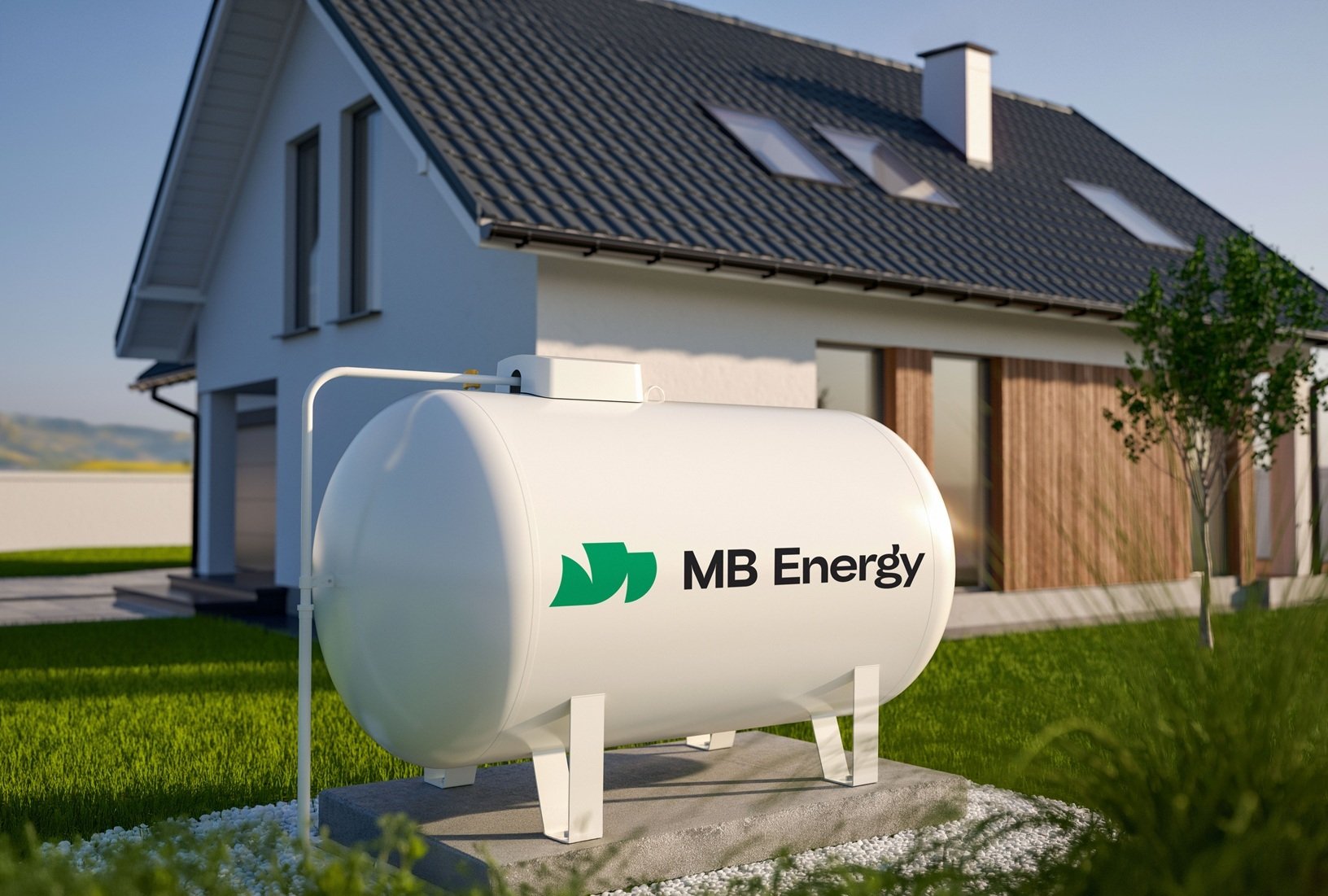
LPG is often used in regions without a gas network and is suitable for heating, hot water and cooking. It is a flexible alternative to natural gas.
How does hybrid heating with oil and pellets work?
Hybrid heating combines two systems. For example, a pellet heating system supplies the base load, while an oil heating system provides support when demand is higher.
Which heating solution is suitable for a vacation home?
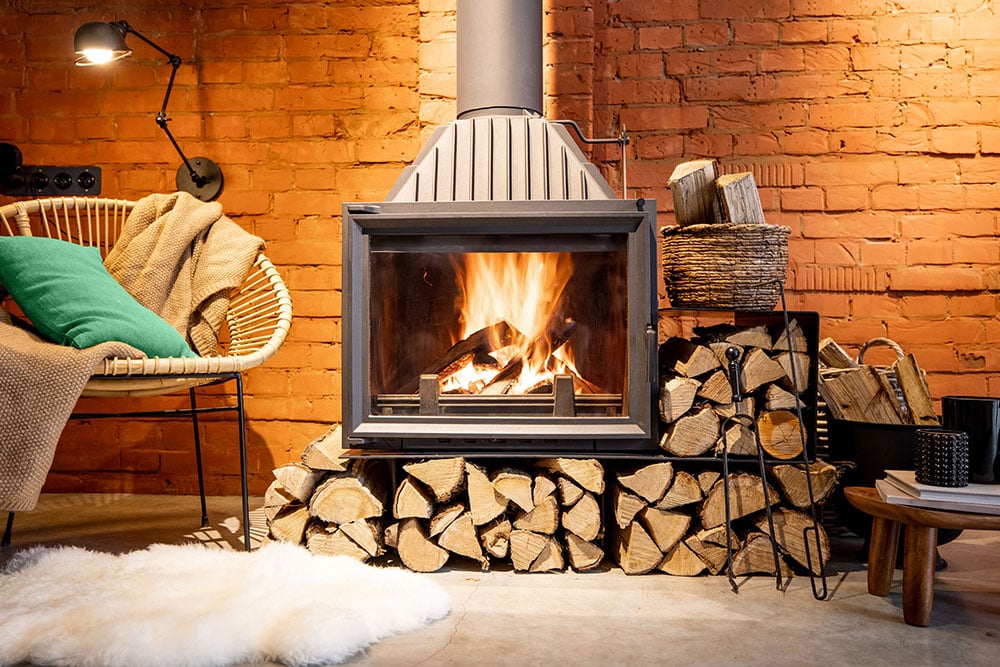
Vacation homes benefit from flexible solutions such as heating oil, liquid gas or wood-burning stoves. These allow them to be used as required.
Which fuels are suitable for rural households?
In rural areas, heating oil, liquid gas, pellets or biomass are often used. These can be stored and ensure an independent supply.