Skip
MB Energy
Man with dog on the couch

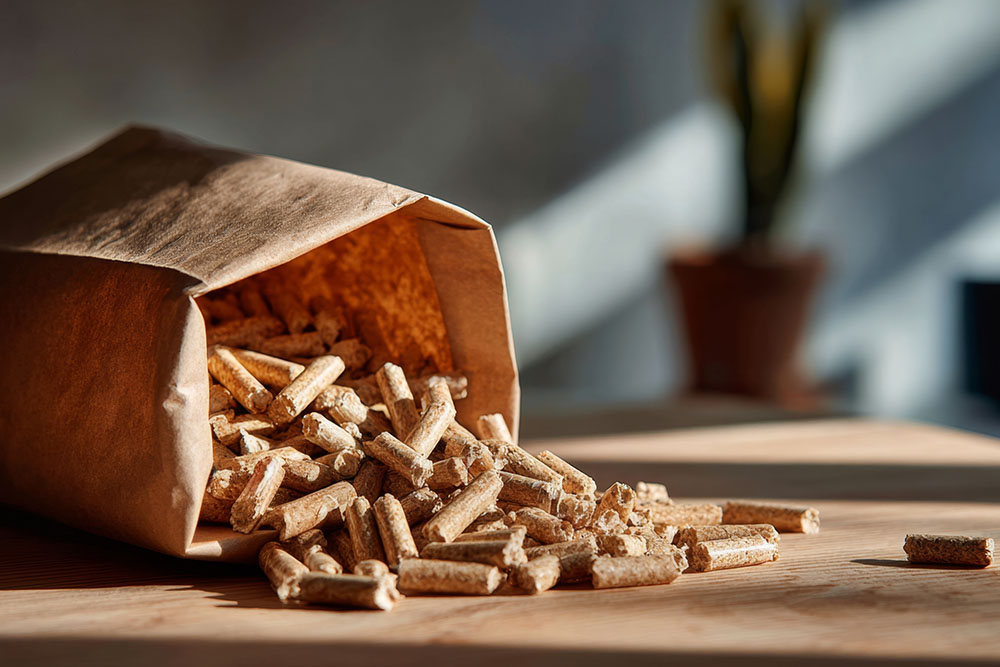
Pellets

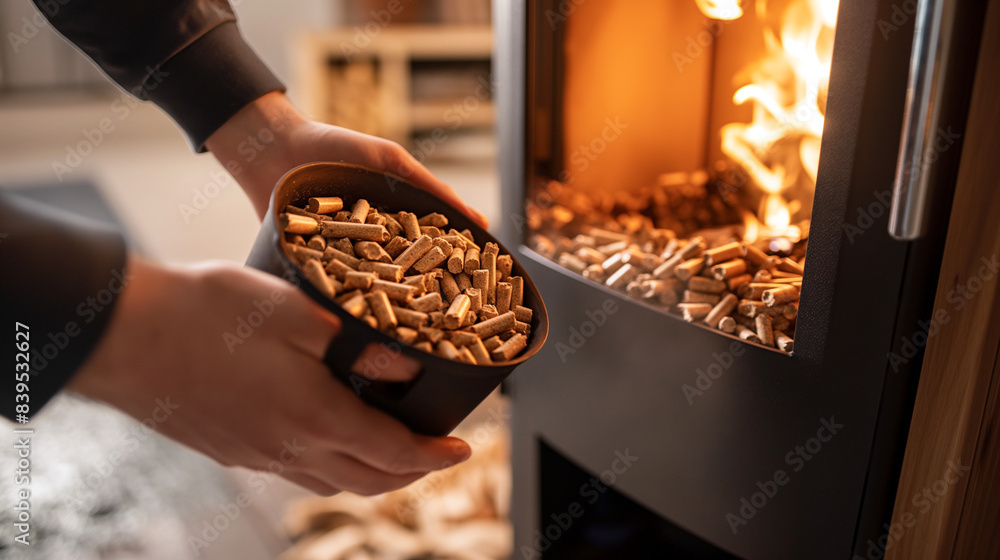
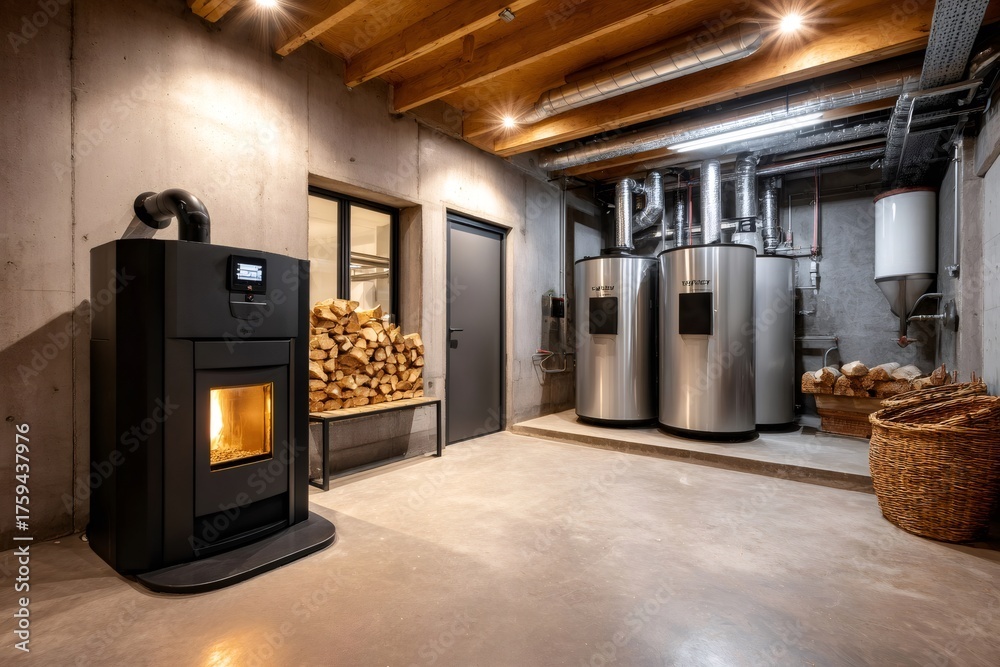
Sustainably organized heat supply with clearly plannable logistics and flexible storage. Wood pellets enable an automated heating solution that can be easily integrated into existing systems and is suitable for both single-family homes and smaller commercial units.

This is how the order works

01

Define your requirements. You select the appropriate product form (loose goods or bagged goods) and determine the required quantity.

Bag of pellets lying on the floor
02

Specify delivery location. The delivery location is entered via the price calculator in order to plan logistics and availability.

Settlement with detached houses at dusk
03

Offer and coordination. You receive a transparent overview and agree on details such as delivery time and access situation.

woman phone sofa
04

Delivery and filling. Delivery takes place on time. Loose goods are filled directly into the storage room, bagged goods are delivered or collected.

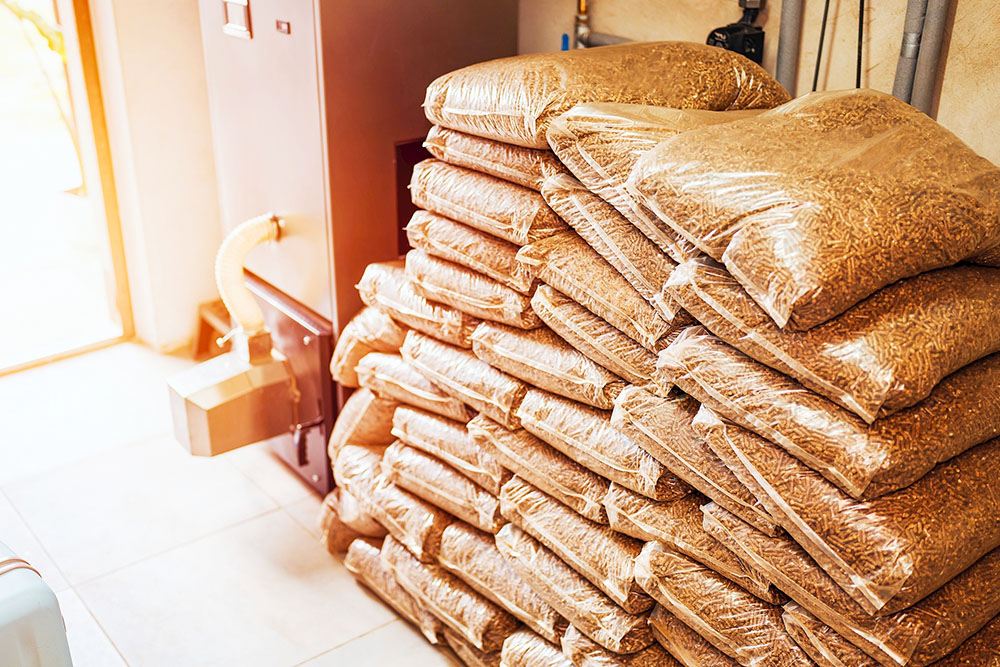
Bags stacked with pellets
01 - 04

Product variants

Direct filling of storage tanks on site. Suitable for high consumption and central supply structures. Advantage: minimal handling effort and continuous supply.

Advantages of pellets

Automated heat supply

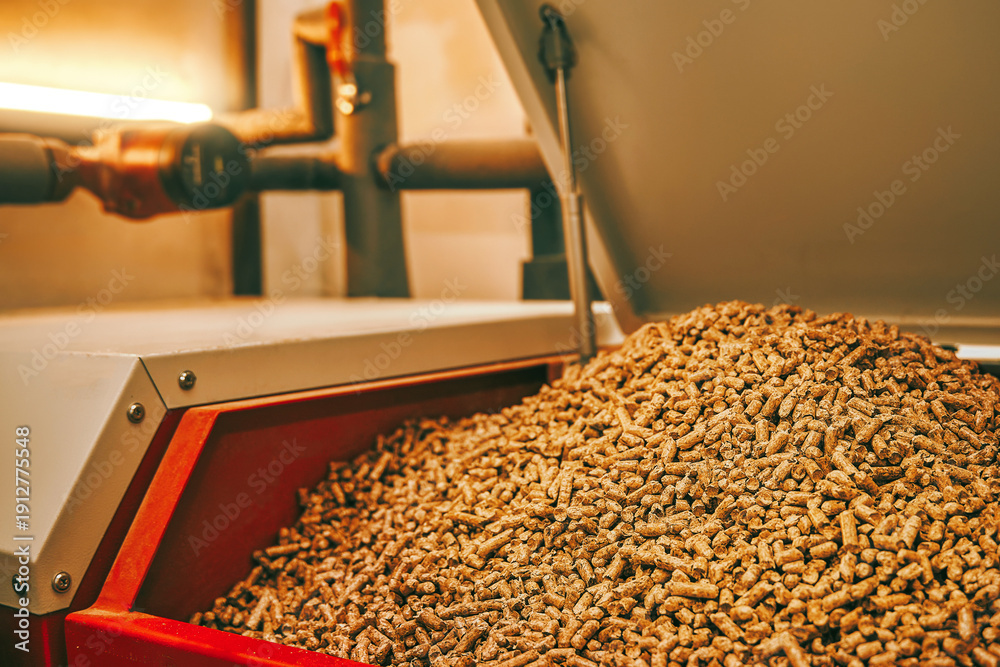
Pellet heating systems work with a continuous and needs-based fuel supply. This reduces manual effort and ensures stable heating operation.

Plannable warehousing

Pellets are stored centrally and are available for longer periods of time. This enables an independent and easily calculable supply.

Consistent fuel quality

Standardized properties ensure even combustion and support low-failure operation of the heating technology.

Flexible supply options

Depending on requirements, pellets can be purchased in bulk or in bag form - suitable for different systems and usage scenarios.

Technical properties of wood pellets

Wood pellets are a standardized fuel with defined quality parameters that are crucial for stable heating operation. The combination of standardized properties and controlled production ensures stable and predictable heating operation.

Norms and standards

  • DIN EN ISO 17225-2 (quality classes for wood pellets)
  • ENplus certification (common quality standard on the market)

Characteristic values (typical ranges)

  • Calorific value: approx. 4.6 - 5.0 kWh/kg
  • Water content: ≤ 10 %
  • Bulk density: approx. 600 - 750 kg/m³
  • Ash content: ≤ 0.7 % (depending on quality)

Composition

  • Natural wood residues (sawdust, wood shavings)
  • No chemical binding agents (binding takes place via the wood's own lignin)

Special features for operation

  • Uniform pellet size for trouble-free conveying
  • Low fines content to avoid faults in the conveying system
  • Clean blowing process is crucial for quality in the store

FAQ

How many pellets do I need per year?

The demand depends on several factors, in particular the size of the building, insulation standard and individual heating behavior. The use of hot water also influences the total quantity. As pellets are calculated in kilograms, an individual assessment is useful in order to determine the appropriate order quantity and make optimum use of storage capacity.

How does the delivery of loose goods work?

Loose goods are delivered using a specially equipped silo vehicle. The pellets are blown directly into the storage room via a hose system. Suitable access is a prerequisite. A controlled blowing process ensures that the quality of the pellets is maintained and the fines content remains as low as possible.

Can I also store pellets?

Yes, pellets are expressly intended for storage. A dry and suitable storage area is important to ensure long-term quality. Factors such as ventilation, accessibility and sufficient size play a key role here, as they influence both the shelf life and subsequent delivery.

What is the difference between bagged goods and loose goods?

Loose goods are blown directly into a storage room and are suitable for central heating systems with larger requirements. Bagged goods, on the other hand, consist of handy units that can be stored flexibly and refilled manually. It is particularly suitable for pellet stoves or as a supplement to the main supply.

How do I ensure quality?

The quality of pellets can be recognized primarily through norms and standards such as ENplus. These guarantee defined properties such as calorific value, water content and ash content. The delivery process also plays an important role, as a clean blowing process helps to maintain product quality in the store.

Can I order pellets online?

Yes, you can easily order using a price calculator. You select the product, specify the delivery location and determine the desired quantity in kilograms. On this basis, further coordination for delivery is carried out transparently and comprehensibly by the responsible team.

What exactly happens during the blowing-in process?

During the blowing process, the pellets are transported from the silo vehicle to the storage room via a hose system. The process is carried out in a controlled manner in order to minimize material abrasion and maintain the pellet structure. A clean execution is crucial for the subsequent eligibility and trouble-free operation of the heating system.

Request advice

Would you like to know which pellet solution suits your needs?

We support you with a clear assessment of quantity planning, storage and delivery logistics. You receive transparent information and make your decision on this basis.

Clarify your requirements now and make a non-binding inquiry.