
Skip
MB Energy

ENERGY to ship

Our energy, your way.

Solutions for shipping

The maritime industry is dependent on a reliable, efficient and increasingly sustainable energy supply. Shipping companies, offshore companies and port operators are faced with the challenge of operating their fleets efficiently, meeting regulatory requirements and at the same time shaping the transformation to more climate-friendly propulsion systems.

We support the maritime industry with a comprehensive portfolio of marine fuels, biofuel solutions and future alternative marine fuels, combined with reliable bunkering services and maritime energy logistics.

Key requirements of the maritime industry

Security of supply in global operations

An uninterrupted energy supply is essential for the operation of international fleets. Shipping companies need reliable supply chains and partners that make marine fuels available worldwide and ensure a stable supply across different ports.

Efficiency in bunkering logistics

Time is a critical factor in shipping. Efficient bunkering processes reduce lay times and enable the seamless integration of refueling into existing port and logistics processes.

Cost control in fleet management

Fuel costs are among the largest operating expenses. Strategic selection and planning of fuels helps to exploit efficiency potential and realize economic benefits in fleet operations.

Compliance with regulatory requirements

International regulations require the use of low-sulphur and emission-reduced fuels. Companies must react flexibly to regulatory changes and adapt their energy supply accordingly.

Decarbonization of shipping

The industry is undergoing a transformation towards more climate-friendly solutions. Biofuels and alternative fuels play a central role in the reduction of emissions and the long-term transformation.

Infrastructure and energy logistics

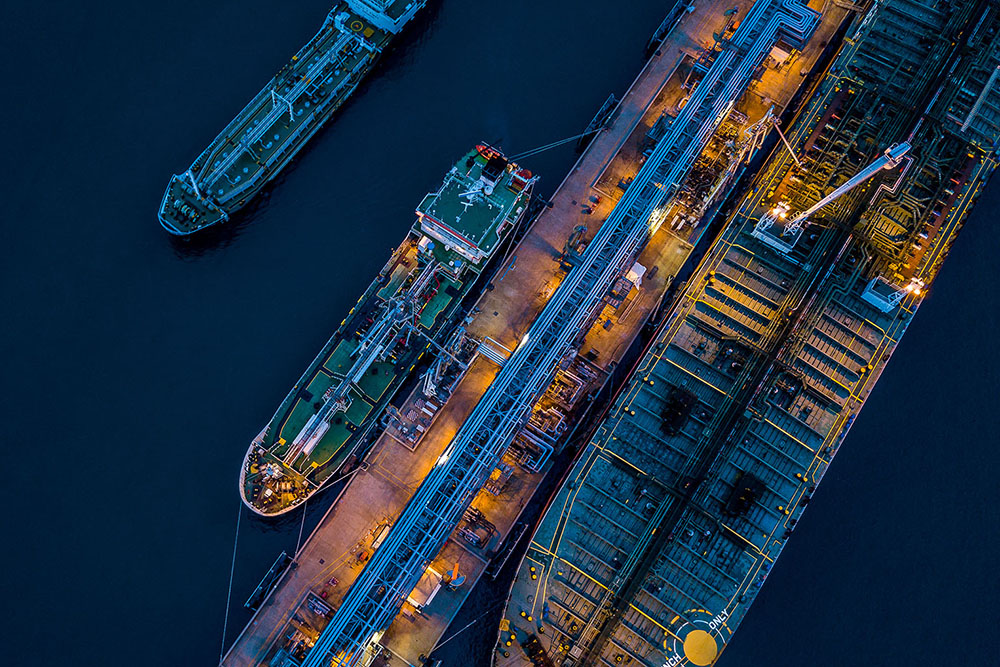
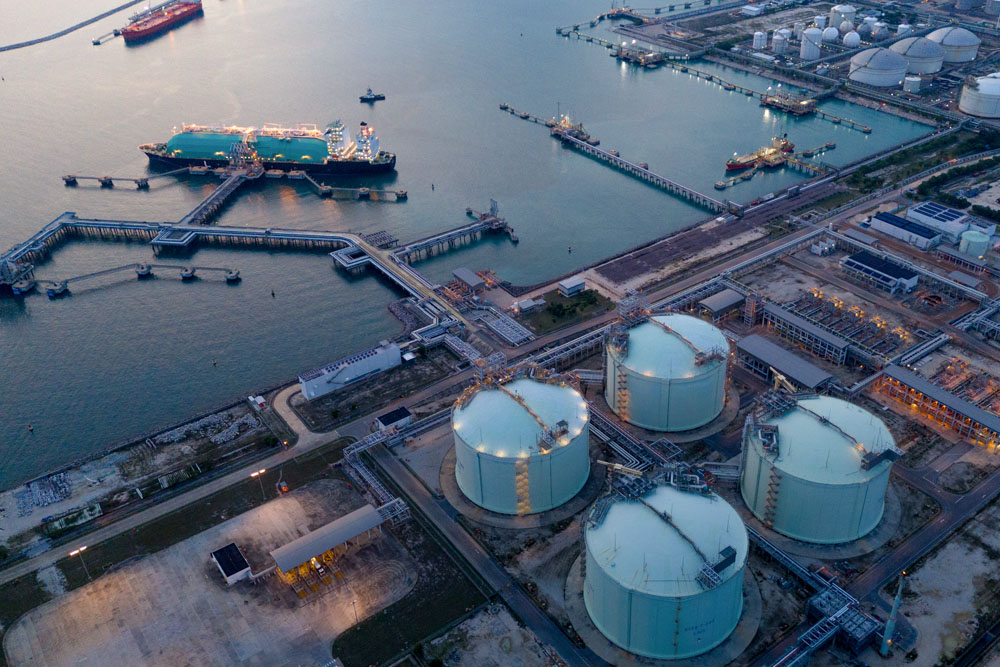
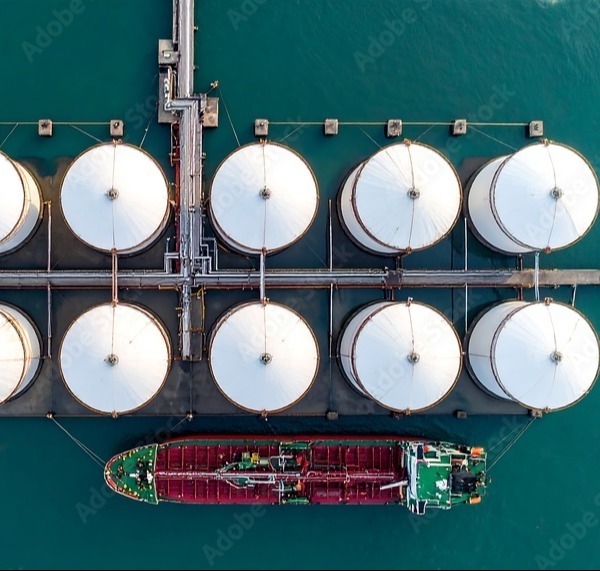
An efficient infrastructure forms the basis for a functioning maritime energy supply. Tank farms, terminals and international distribution networks ensure the availability of energy along global supply chains.

FAQ

Which fuels are used in shipping?

Marine fuels such as HFO, VLSFO, MGO and MDO are primarily used in international shipping. In addition, biofuel blends and alternative fuels such as methanol, ammonia and synthetic e-fuels are becoming increasingly important.

What is the difference between MGO, MDO and HFO?

MGO is a low-sulphur, clean marine diesel, while MDO is a mixture of diesel and heavy fuel oil components. HFO is a classic heavy fuel oil and is mainly used in large marine engines.

How does bunkering work for merchant ships?

Bunkering involves supplying a ship in port with fuel via terminals or bunker ships. Alternatively, refueling is carried out directly from a supply ship using the ship-to-ship method.

What is ship-to-ship bunkering?

Fuel is transferred directly from a bunker barge to another ship. This process enables flexible refueling without additional port stops and reduces lay times.

Can biofuel be used in existing marine engines?

Many biofuel blends such as B30 can be used without major technical adjustments and offer an immediately realizable option for reducing emissions.

What alternative fuels are available for shipping?

The most important options include ammonia, methanol, synthetic e-fuels and other hydrogen-based energy sources.

How can shipping companies reduce their CO₂ emissions?

Emissions can be sustainably reduced by using biofuels, alternative fuels, more efficient engines and optimized operating and route strategies.

Future-proof your energy supply now

Plan the energy supply for your fleet with an experienced partner in the maritime industry. We offer integrated solutions - from classic fuels to sustainable alternatives.

Let us advise you and develop a supply strategy that works today and will be sustainable tomorrow.