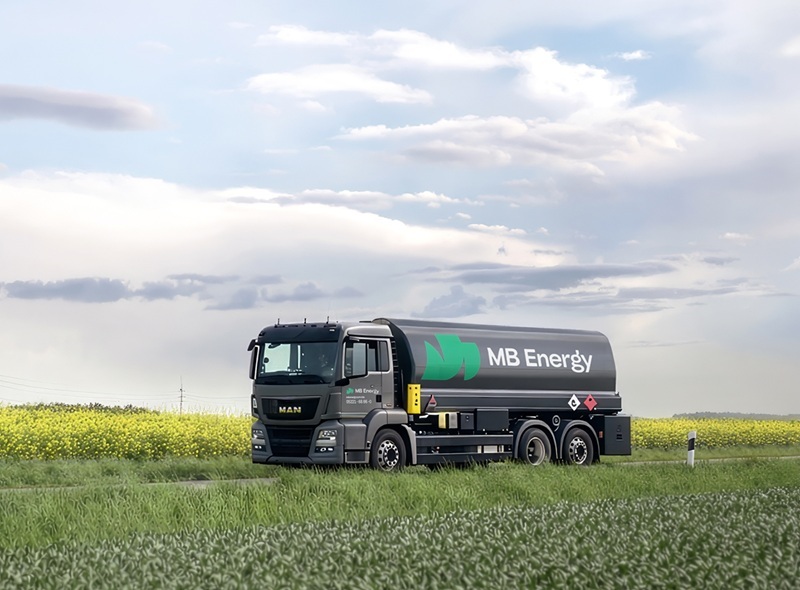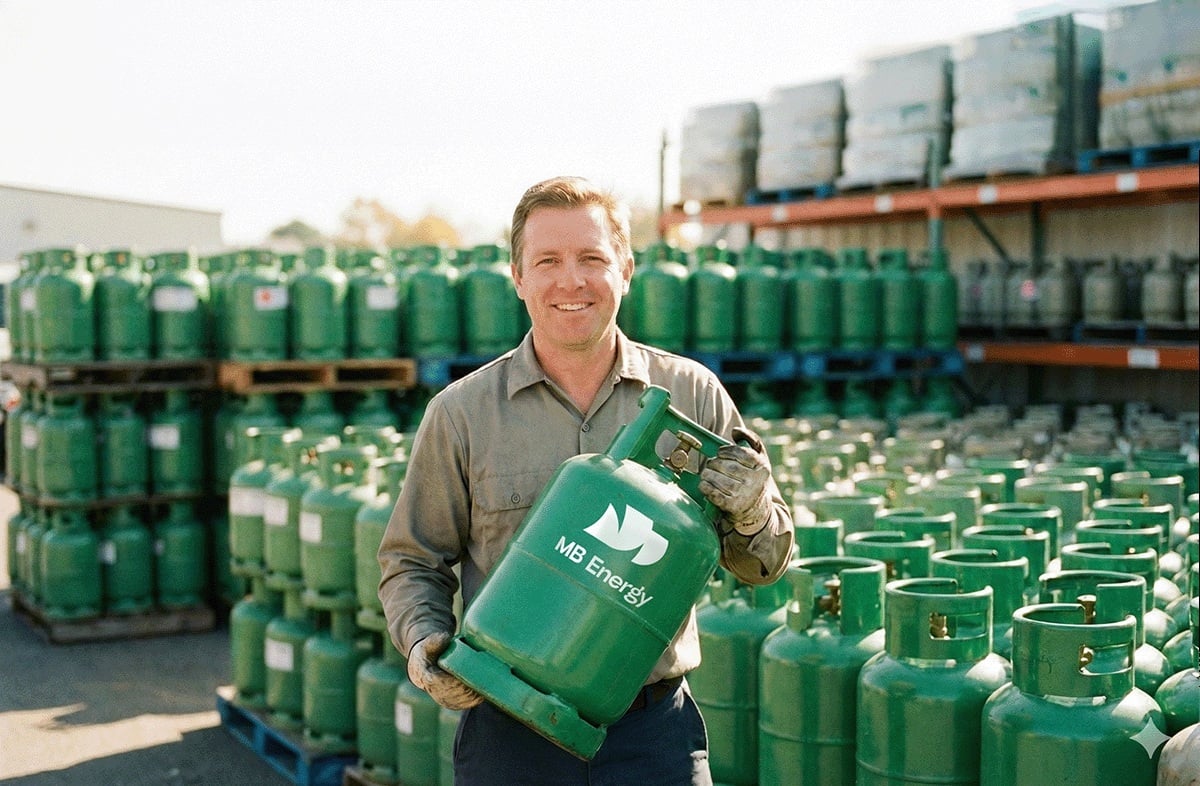
Municipal buildings such as schools, kindergartens or sports halls require a reliable heat supply. Heating oil, liquid gas or wood pellets enable a flexible and secure energy supply - even in regions without a gas grid connection.
ENERGY to support
Our energy, your way.
Solutions for municipalities and public institutions
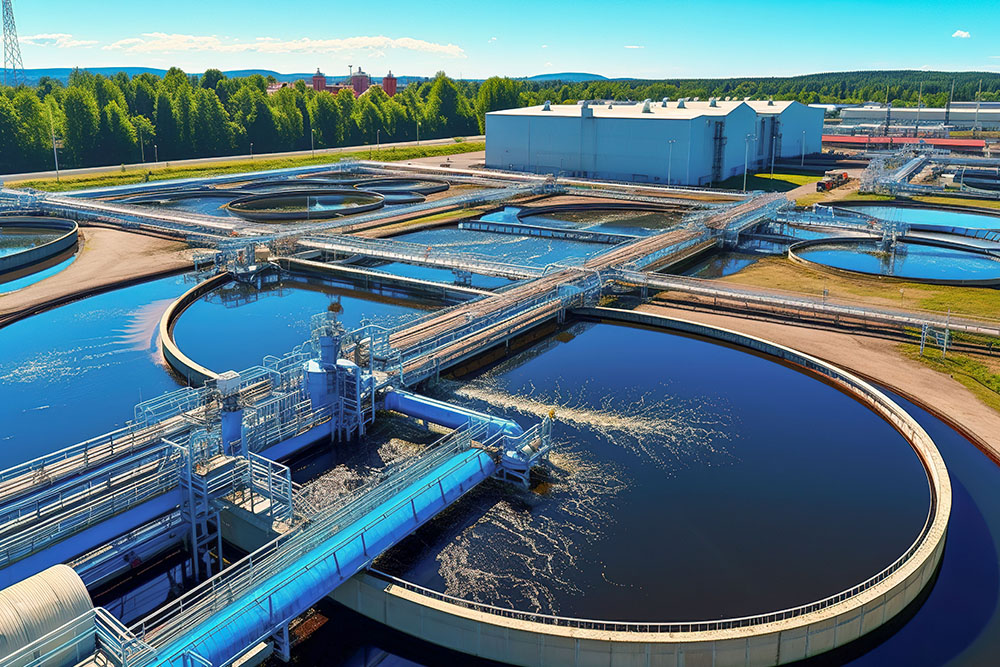
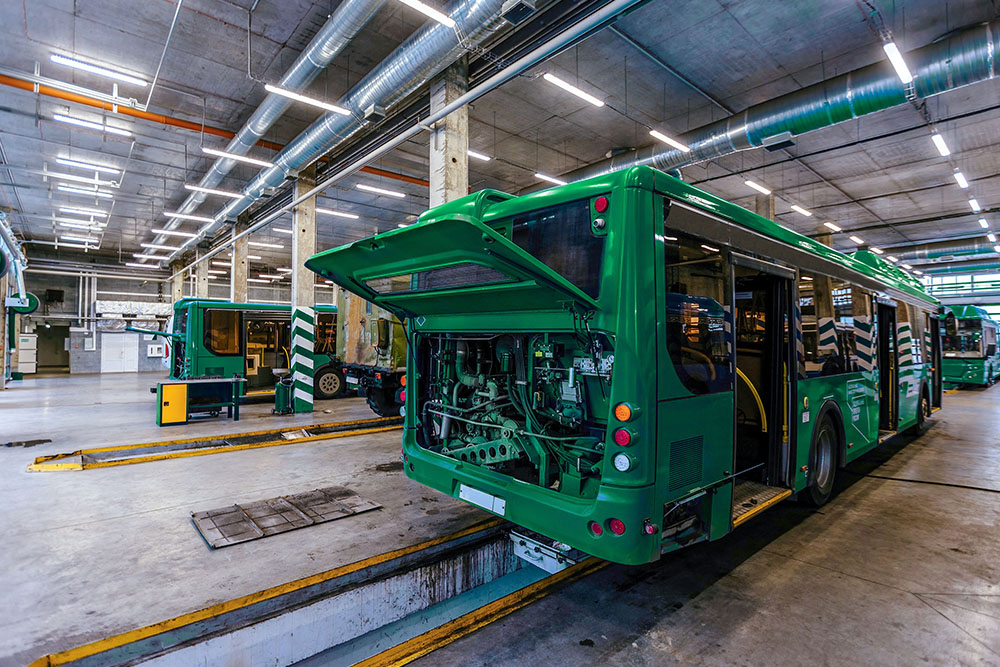
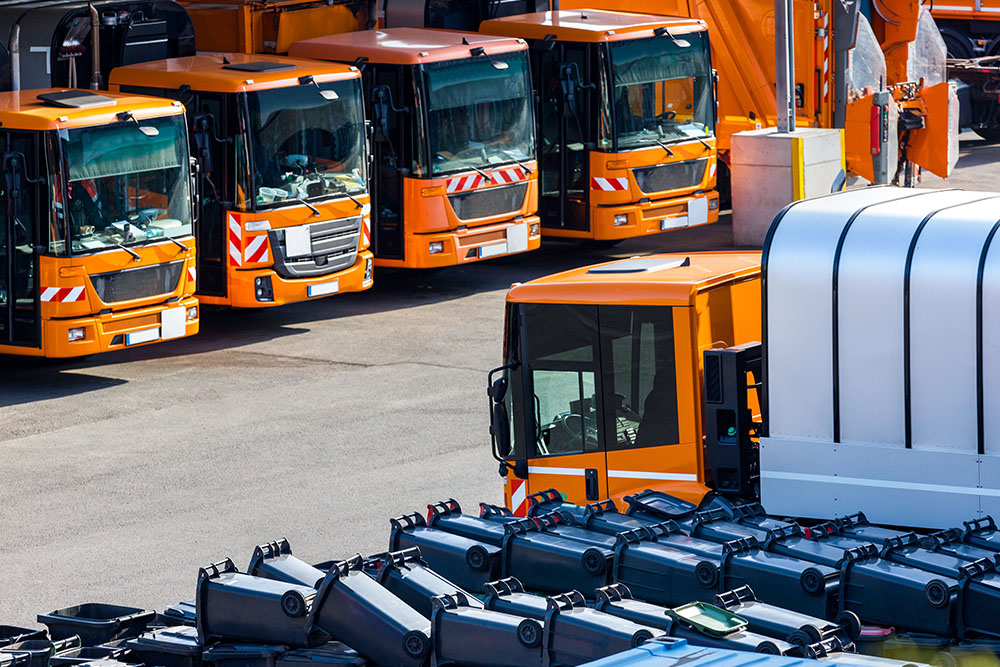
Municipal facilities operate critical infrastructure - from schools and hospitals to building yards and public transport bus fleets. For these systems to function reliably, they need a stable energy and fuel supply as well as efficient logistics.
We support cities, municipalities and public bodies with integrated energy solutions - from the heat supply for municipal buildings and fuels for vehicle fleets to the energy supply for emergency power and infrastructure projects.
Requirements for modern municipal energy supply
Security of supply as a central basis
Municipal infrastructure must function at all times. A stable energy supply ensures that critical facilities remain operational even under difficult conditions.
Cost control in the municipal budget
Predictable energy costs are crucial for long-term budget planning. Efficient procurement and flexible delivery models help to reliably adhere to budgets.
Sustainability and CO₂ reduction
Local authorities are under increasing pressure to reduce emissions. The use of alternative energy sources and efficient systems supports the achievement of climate targets.
Supporting infrastructure and construction projects
Road construction, building yards and municipal projects require a continuous supply of energy and materials. Coordinated logistics are essential for this.
Organize logistics and decentralized supply
Many municipal facilities are spread across several locations. Flexible delivery concepts ensure that all areas are reliably supplied - even in crisis situations.
Our energy, your choice - flexible products for your region
FAQ
Which energy solutions are particularly important for municipalities?
Municipalities usually require a combination of heat supply, fuels for vehicle fleets, energy for emergency power and operating resources for machinery and technology. An integrated energy supply helps to reliably cover all areas.
What is HVO diesel and why is it interesting for municipalities?
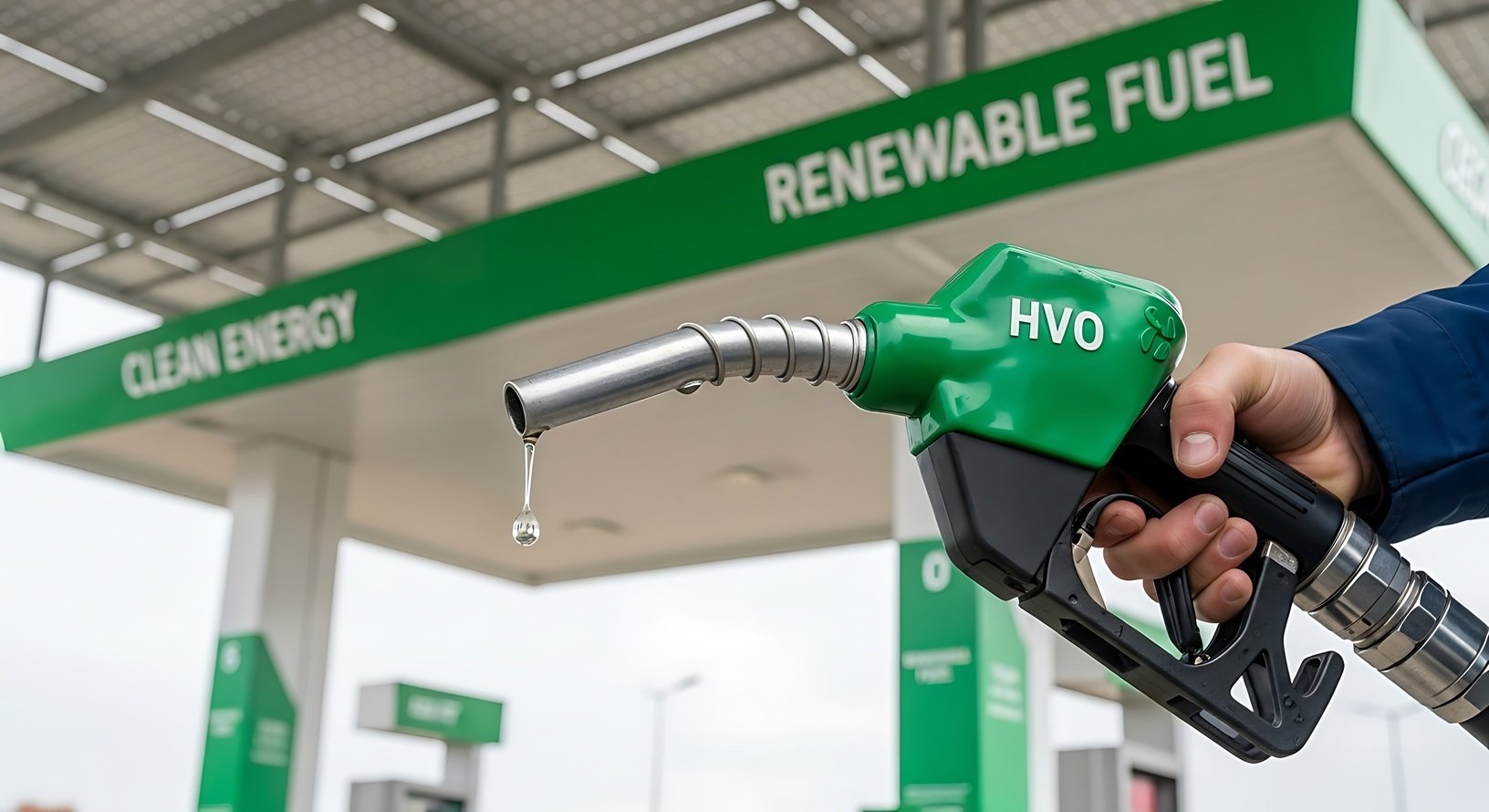
HVO is a synthetic biofuel made from renewable raw materials. It can be used in many diesel vehicles and enables a significant reduction in CO₂ emissions - without having to replace existing vehicles.
What role does the Heat Planning Act play for local authorities?
The Heat Planning Act obliges many local authorities to draw up long-term heating plans. The aim is to achieve a climate-friendly heat supply. Energy providers can support municipalities with analyses, concepts and supply solutions.
How can municipalities operate their fleets more sustainably?
In addition to electrification, alternative fuels such as HVO or biodiesel can be used. Modern fleet planning and efficient logistics also help to reduce emissions.
Which energy supply is suitable for public buildings without a gas connection?
Heating oil, liquid gas or wood pellets are often used for buildings without a connection to the natural gas grid. These energy sources provide a flexible and reliable heat supply.
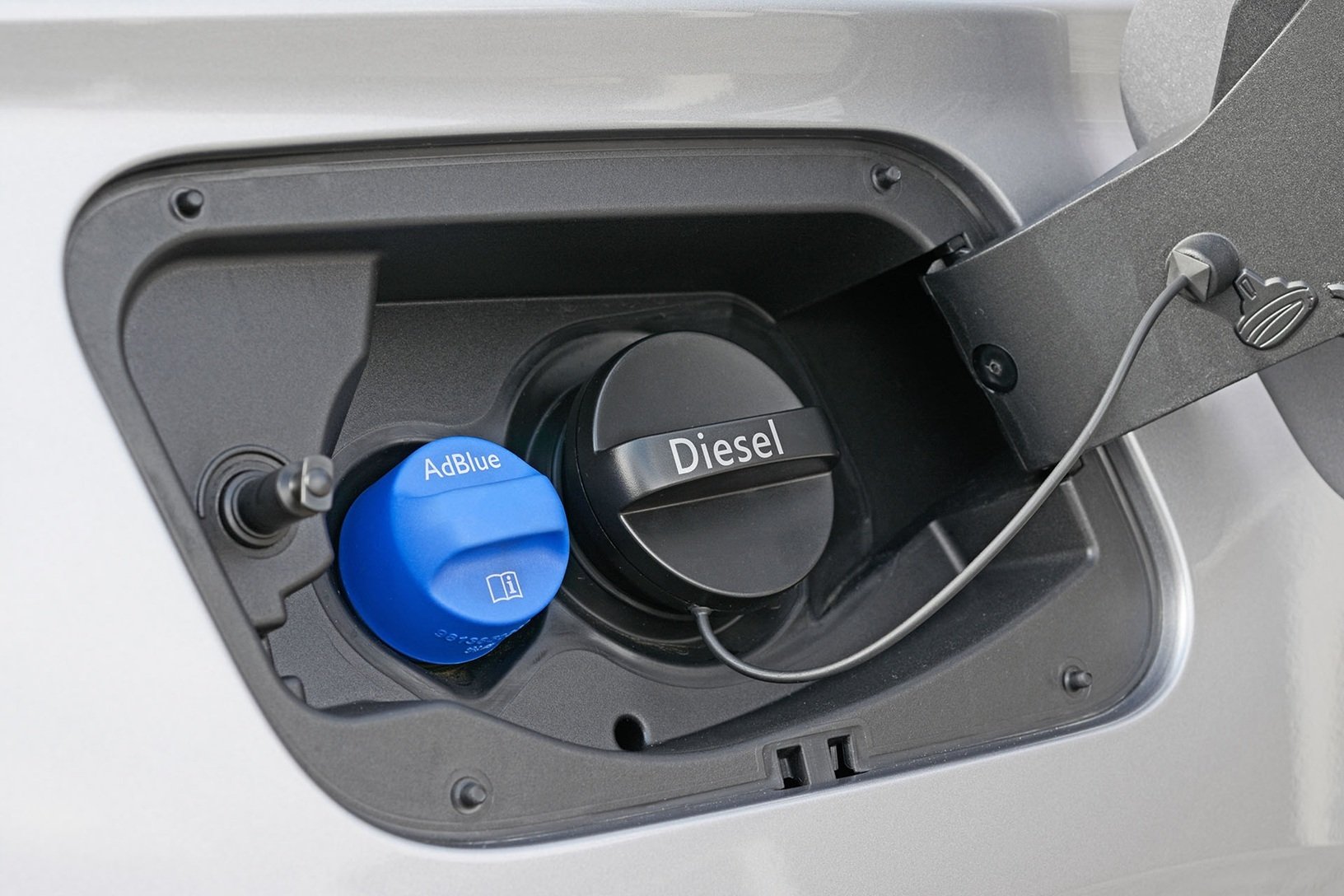
Why do municipal vehicles need AdBlue?
Many modern diesel vehicles are equipped with SCR technology for exhaust gas purification. AdBlue is used to reduce nitrogen oxides in the exhaust gas and comply with legal emission limits.
How is fuel supplied to construction yards?
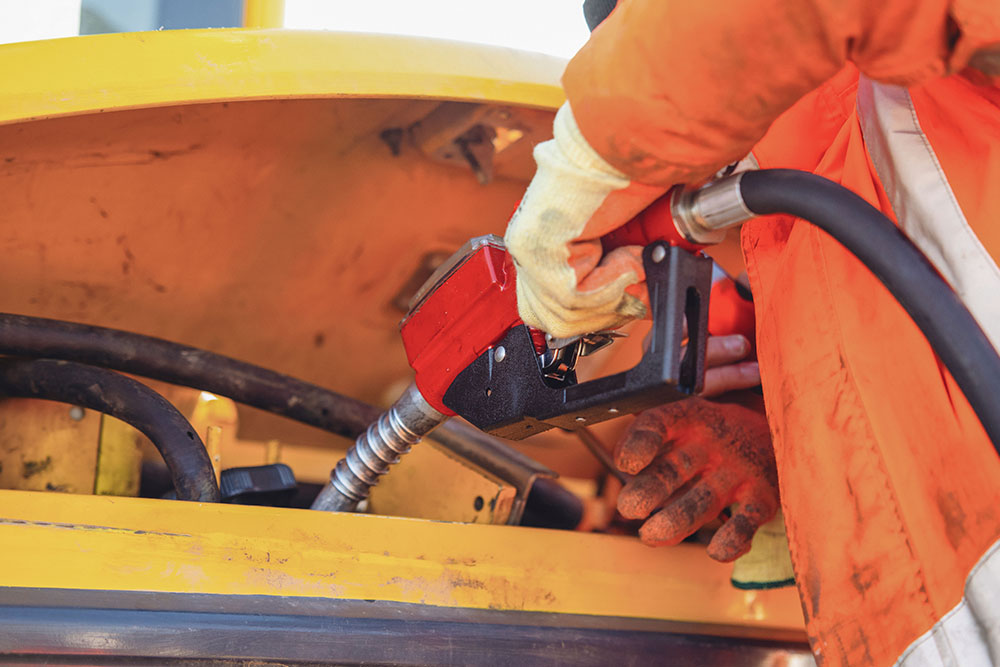
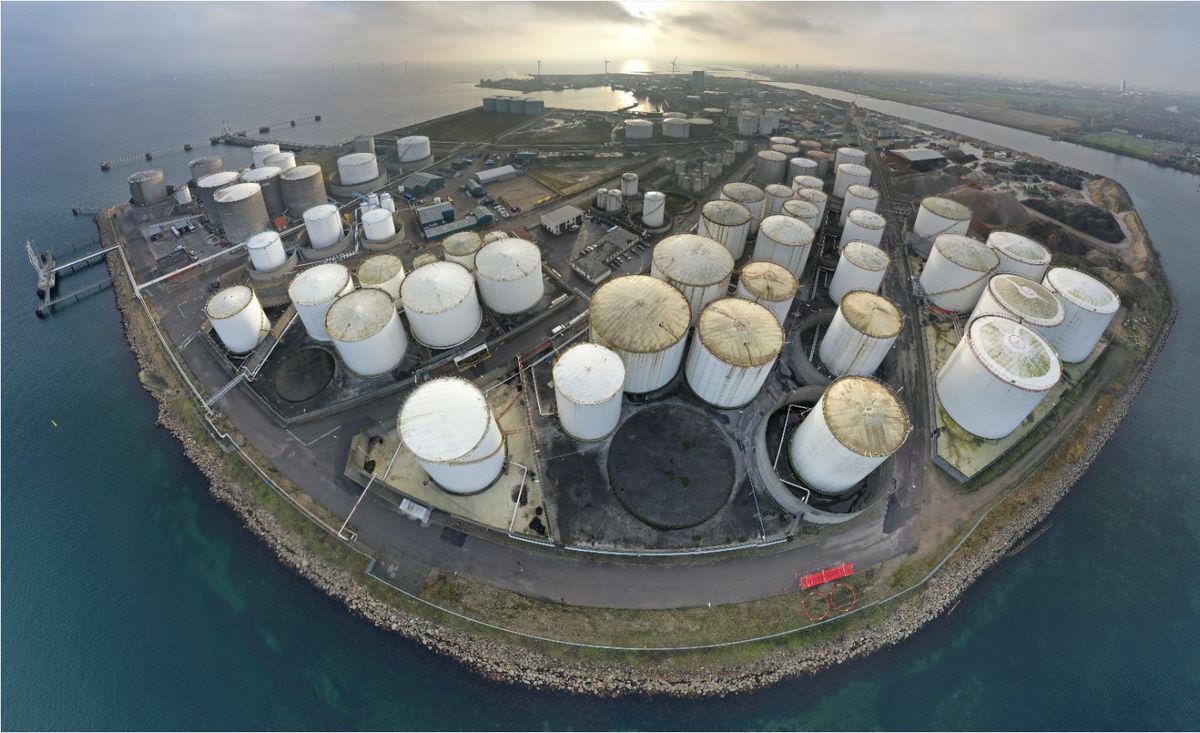
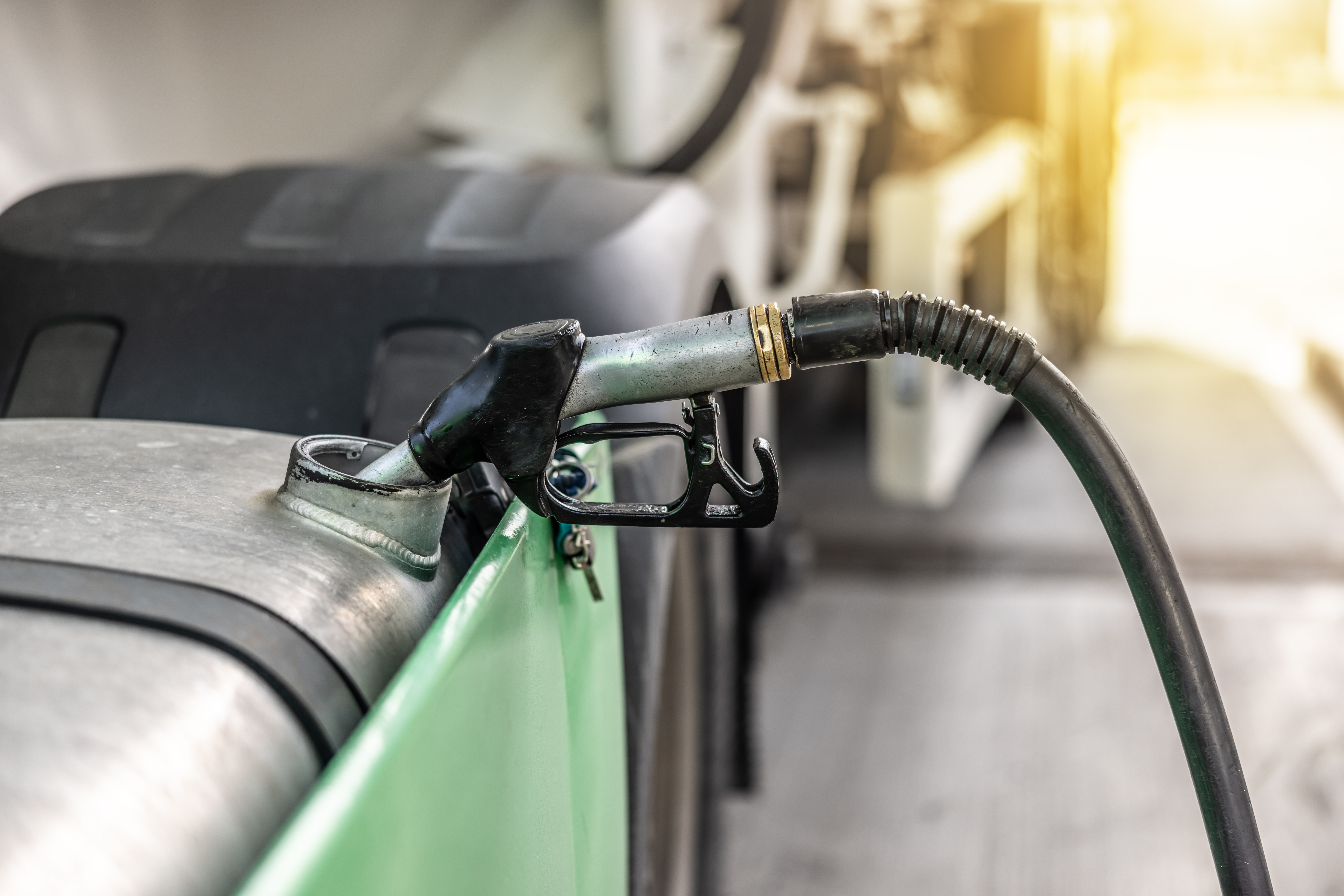
Fuels can be delivered directly to municipal tank farms. Alternatively, supplies can be made via depot filling stations or mobile tank solutions.
Would you like to make your municipality's energy supply more efficient and future-proof?
We support cities, municipalities and public institutions with reliable energy solutions - from heat supply and fuels to infrastructure and logistics solutions.